
Shop online
Sports equipment, the whole range
Everything we stock, on one page. Seven ranges, 18 products, delivered across Canada. Free delivery on orders over $100.
Shop by range
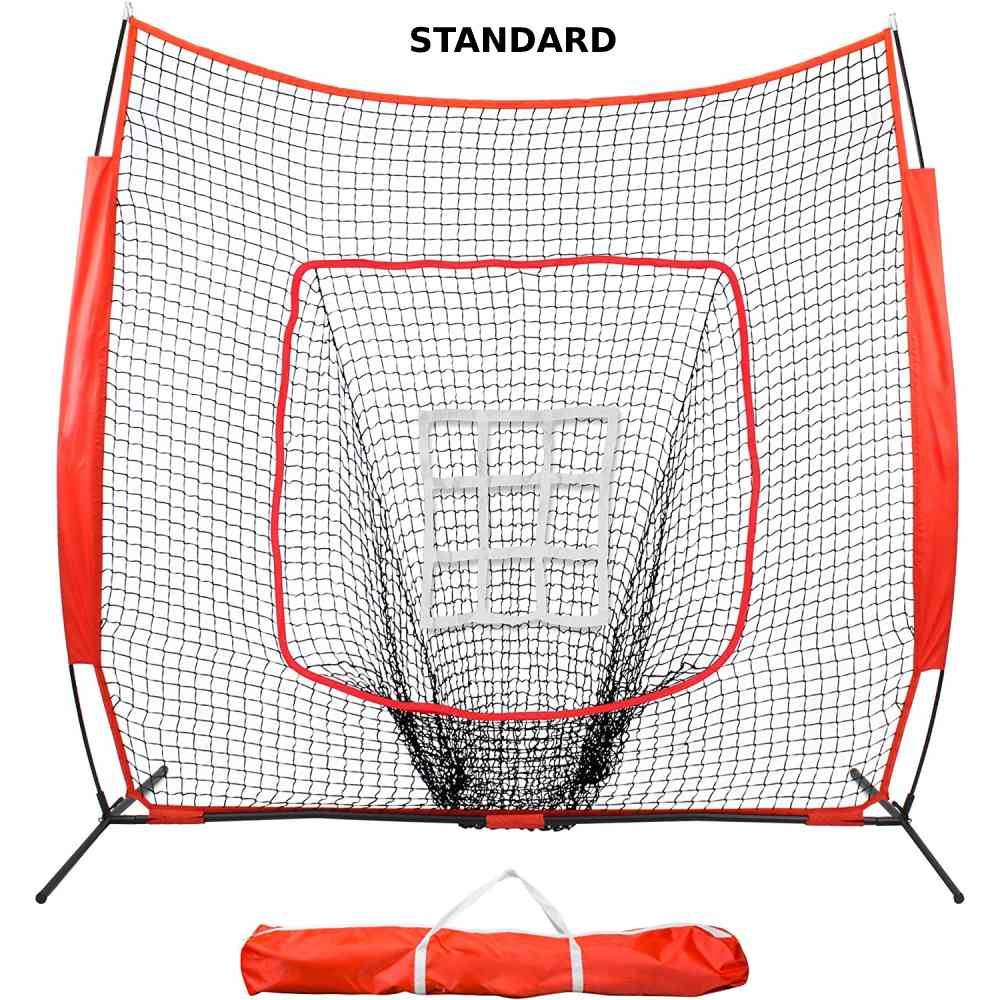
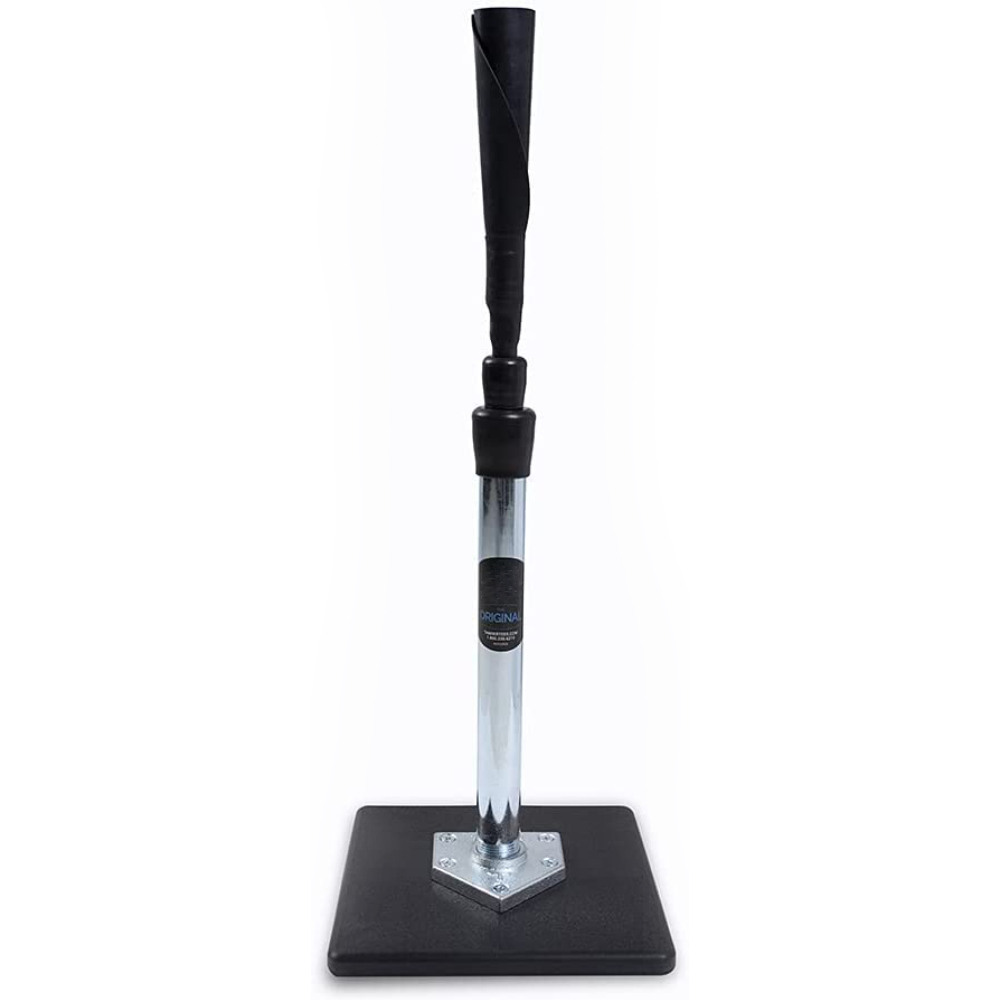
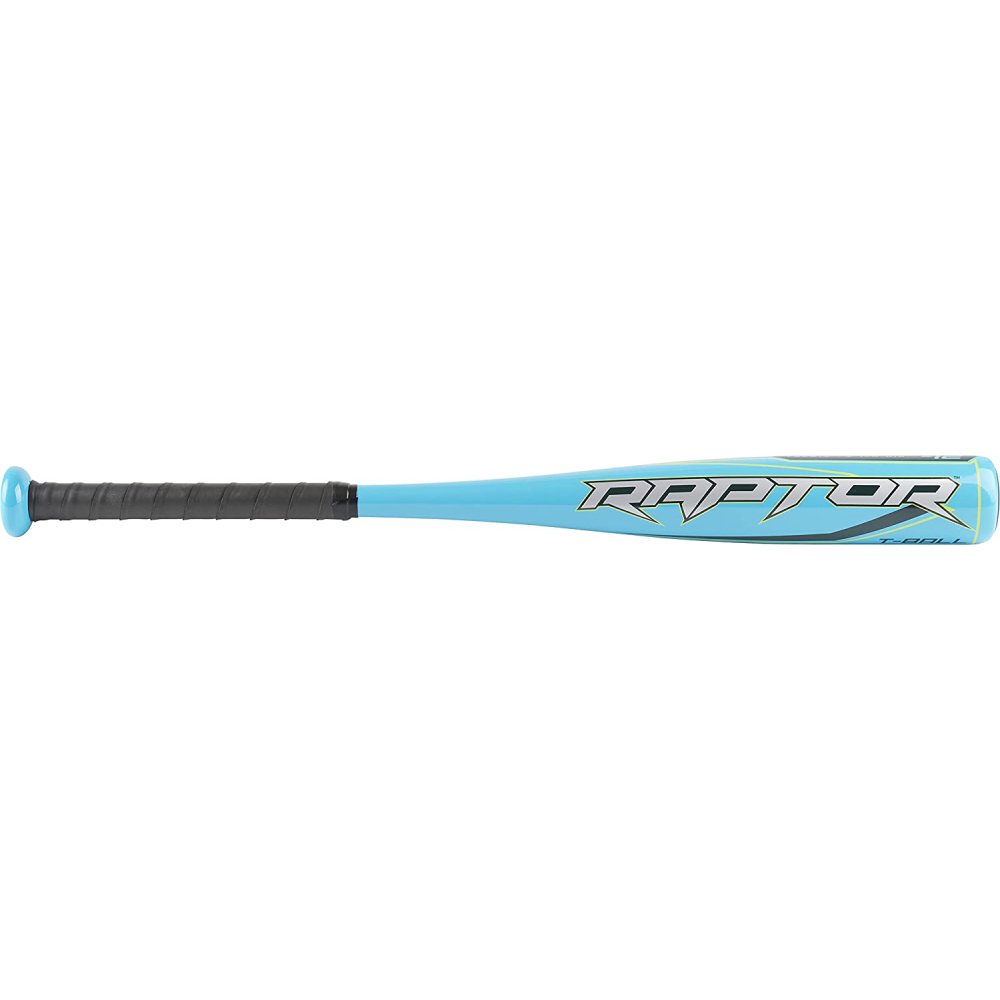
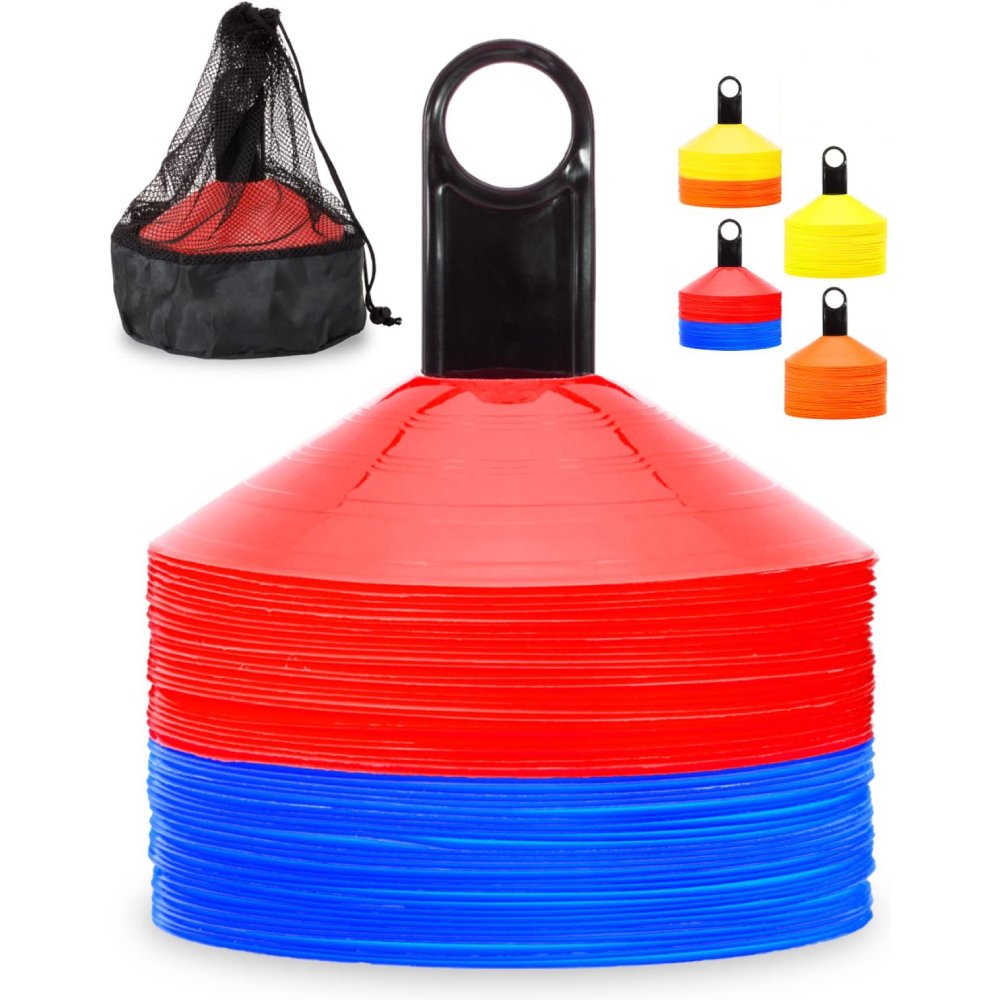
- Baseball Equipment: Batting tees, hitting nets, tee ball bats and training cones for backyard practice and team sessions. Free delivery across Canada on orders over $100.
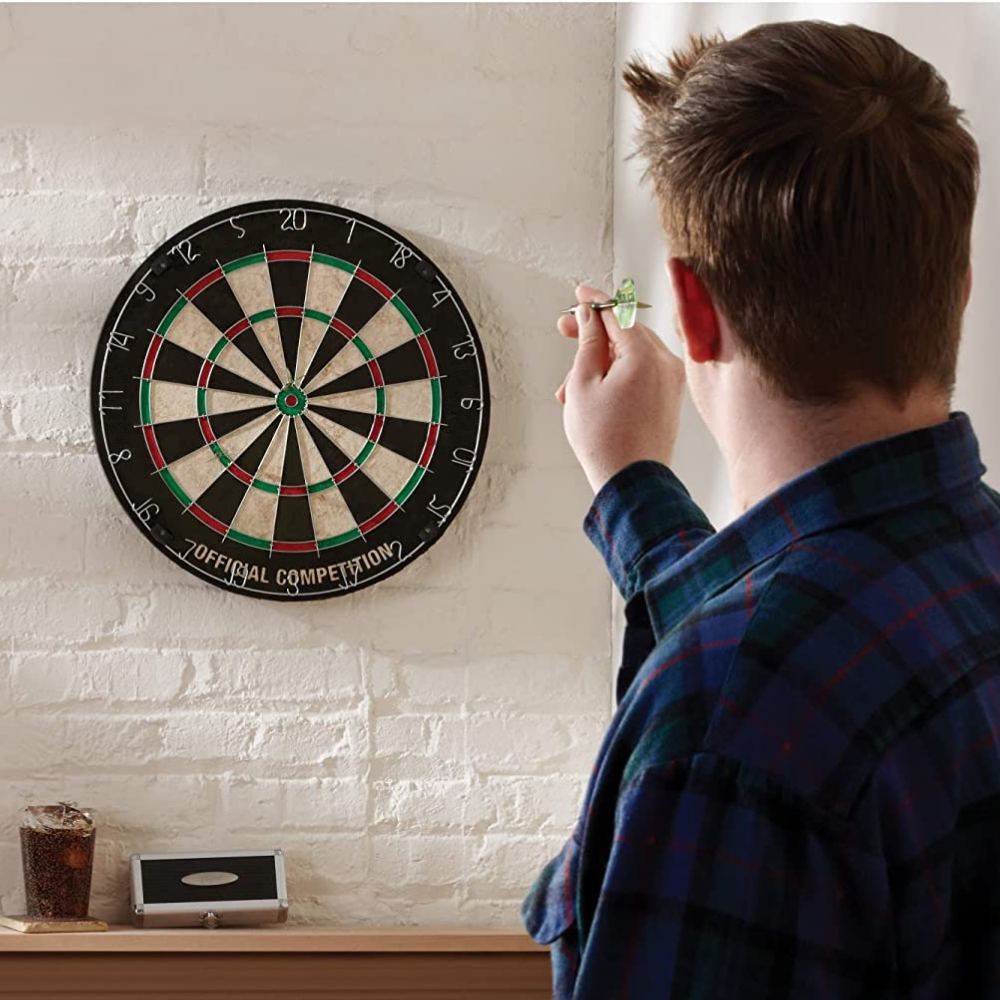
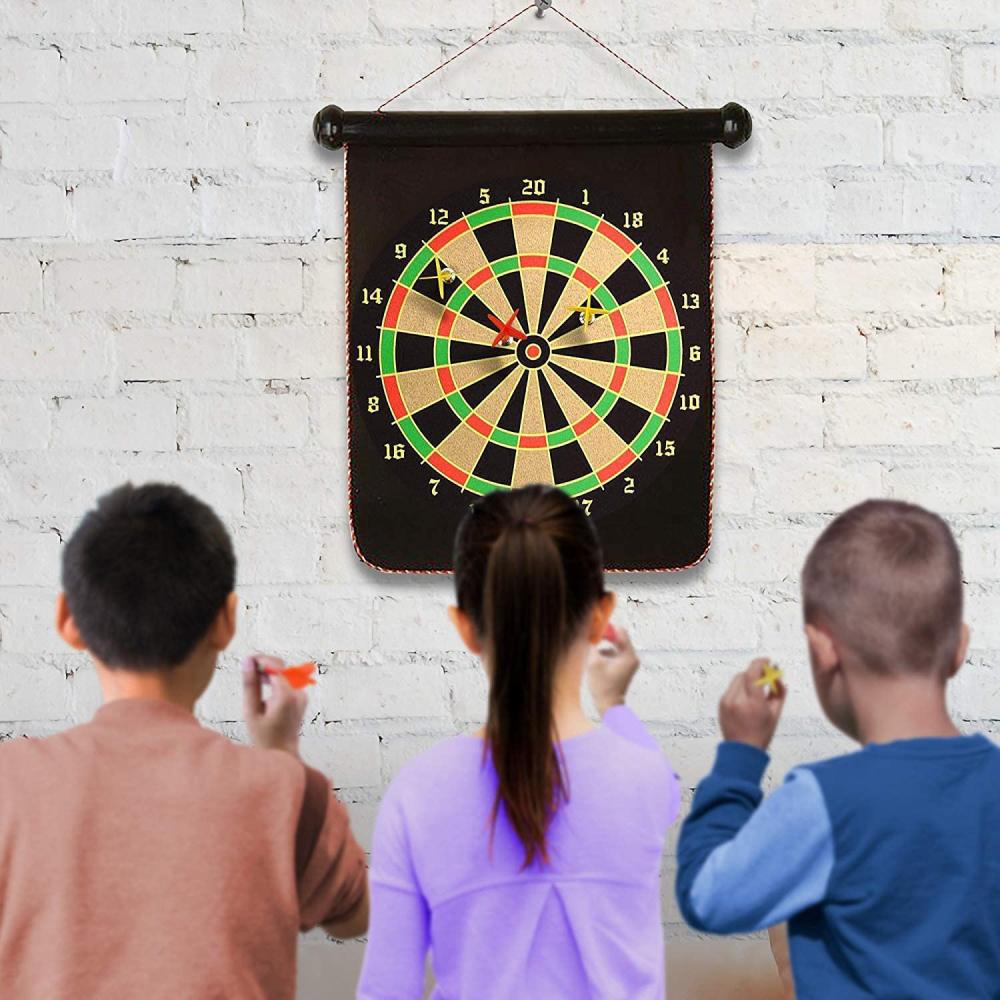
- Darts Equipment: Bristle and magnetic dart boards, with everything you need to start throwing on the day it arrives. Free delivery across Canada on orders over $100.
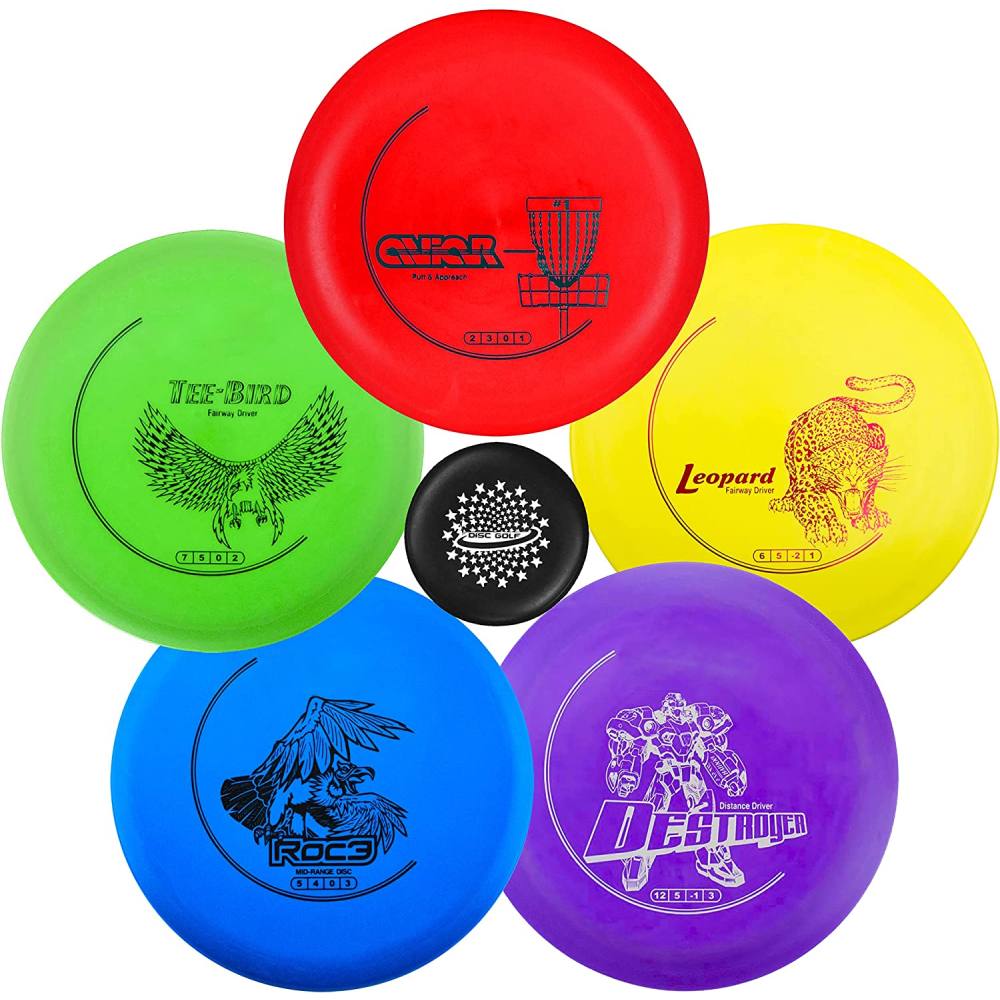
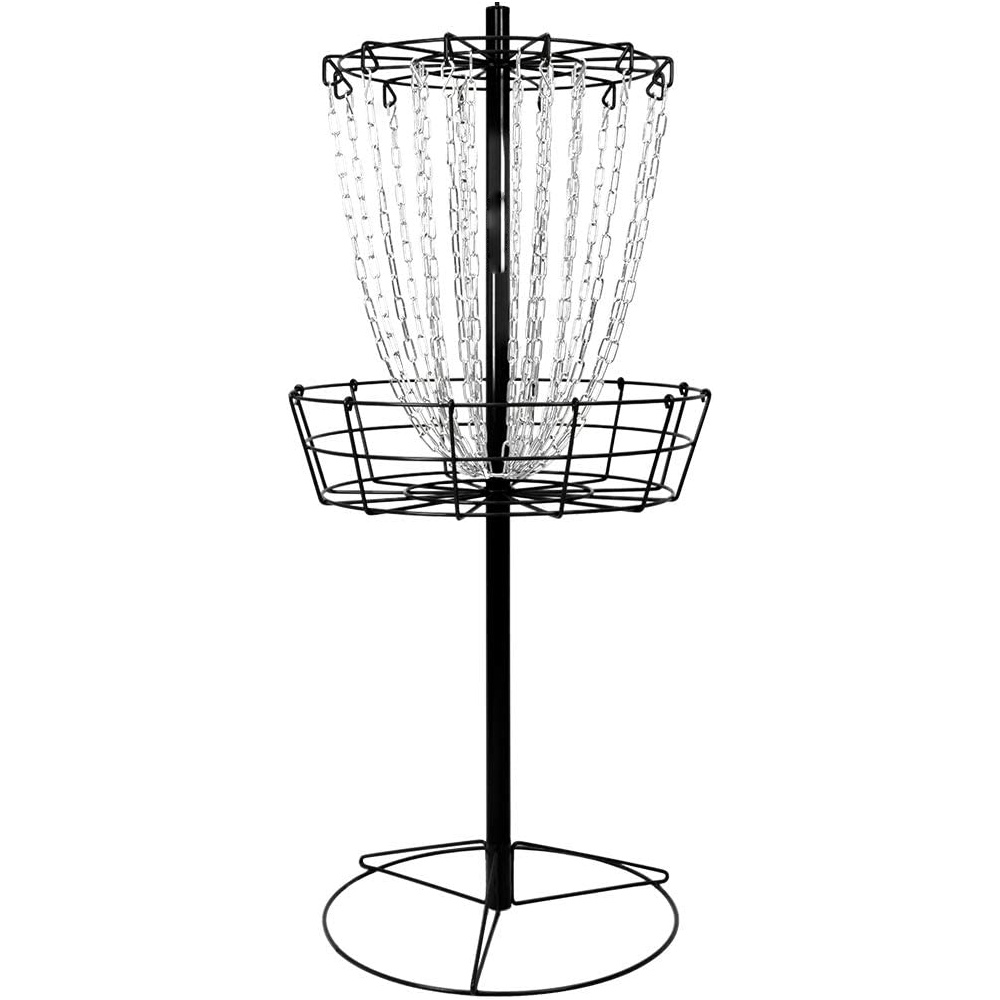
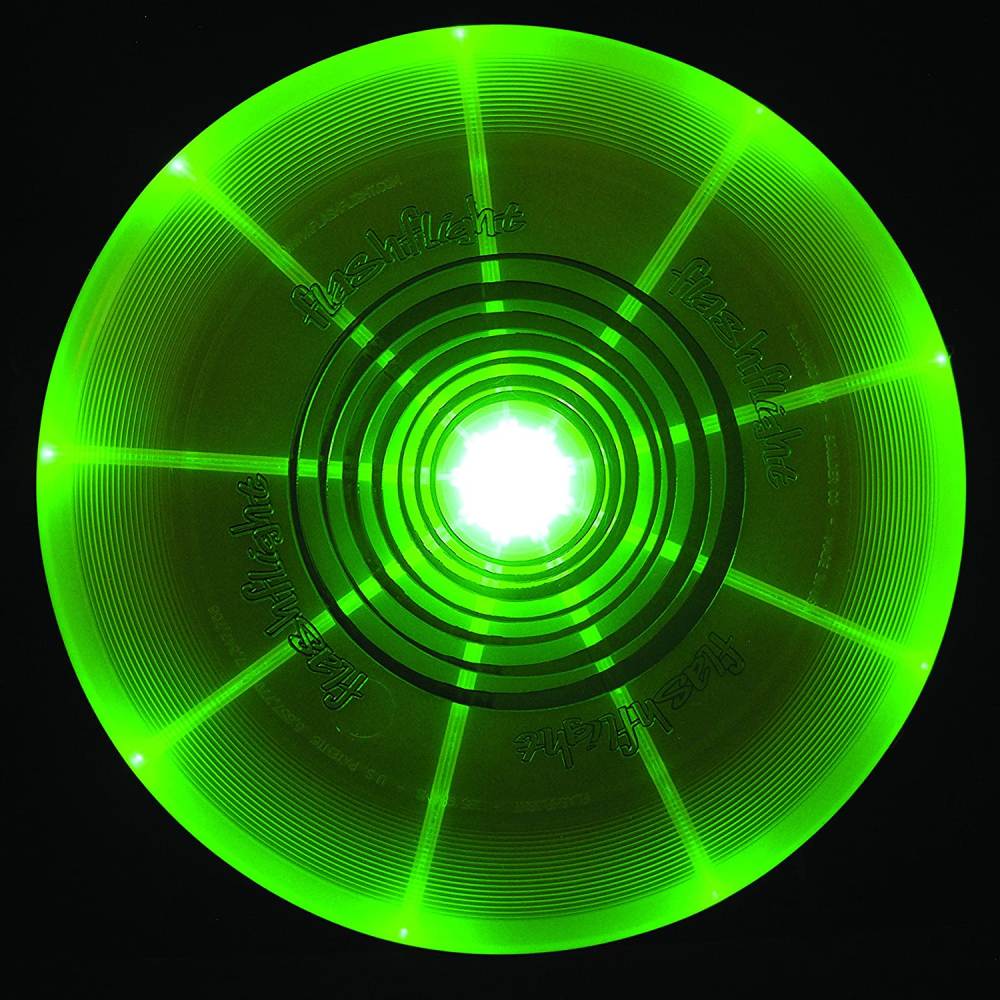
- Golf Equipment: Disc golf sets, portable chain baskets and frisbee golf gear for the park, the backyard and the course. Free delivery across Canada on orders over $100.
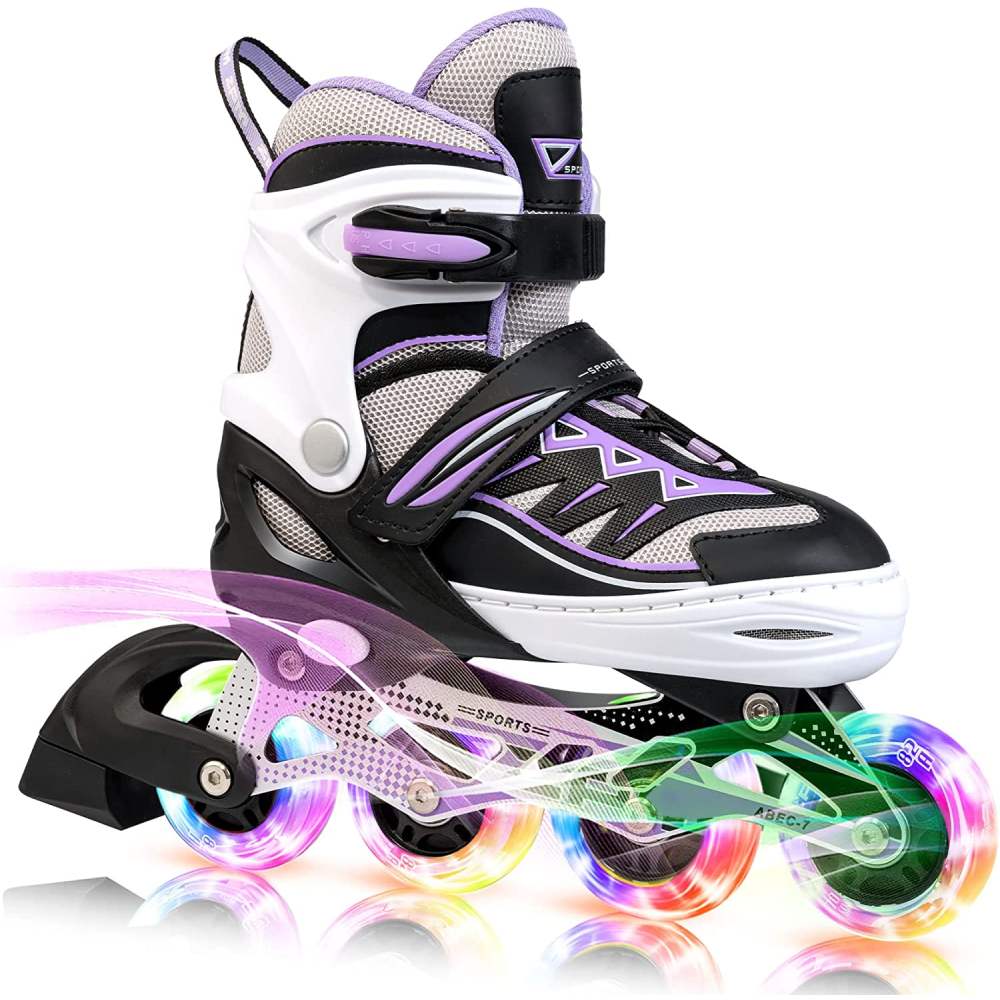
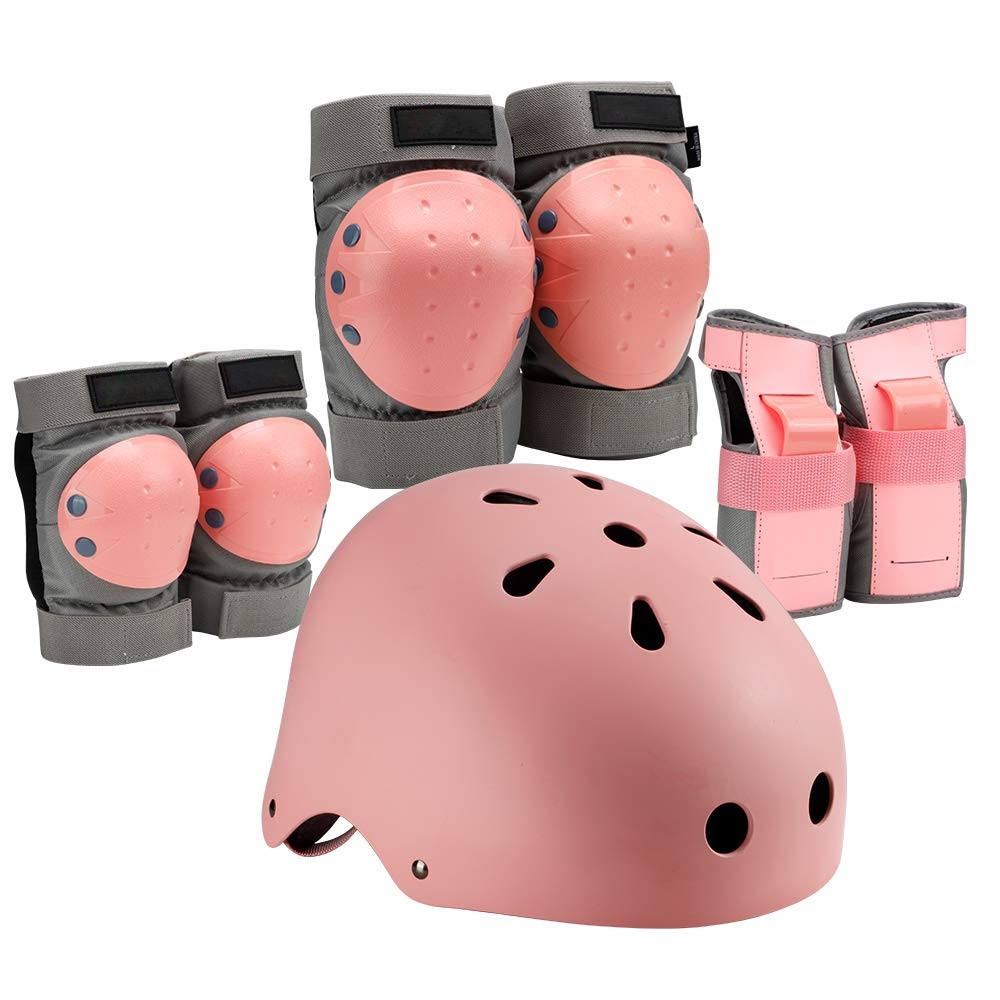
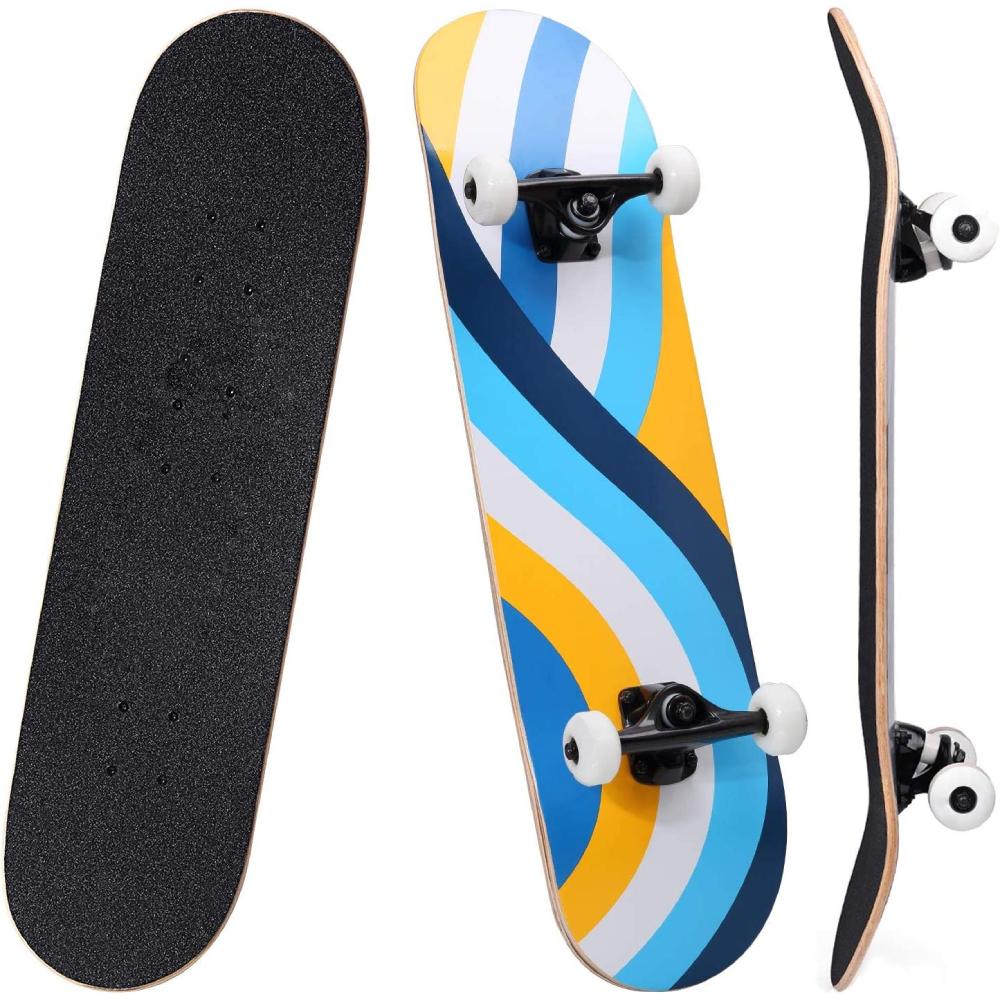
- Skating Equipment: Trick skateboards, adjustable rollerblades and safety gear sized for kids and adults. Free delivery across Canada on orders over $100.
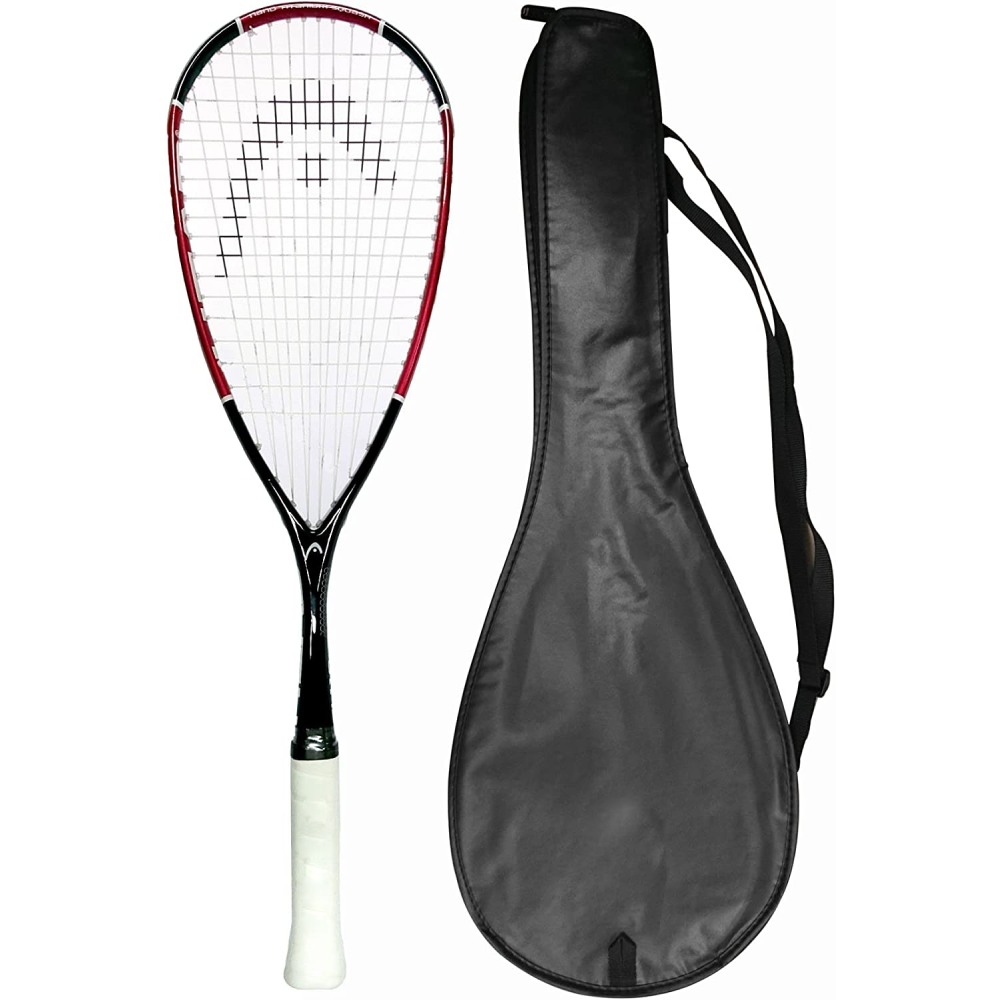
- Sports Rackets: Rackets chosen for grip, weight and control rather than for a brand name. Free delivery across Canada on orders over $100.
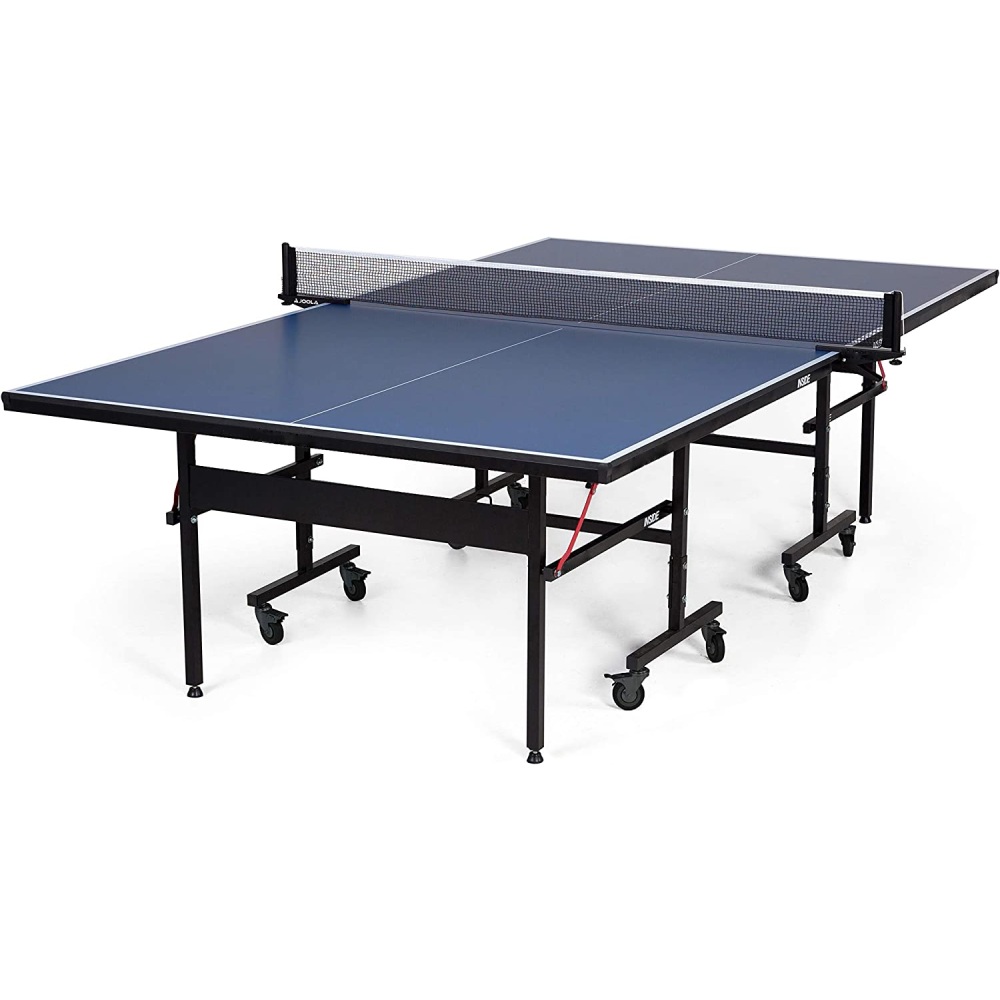
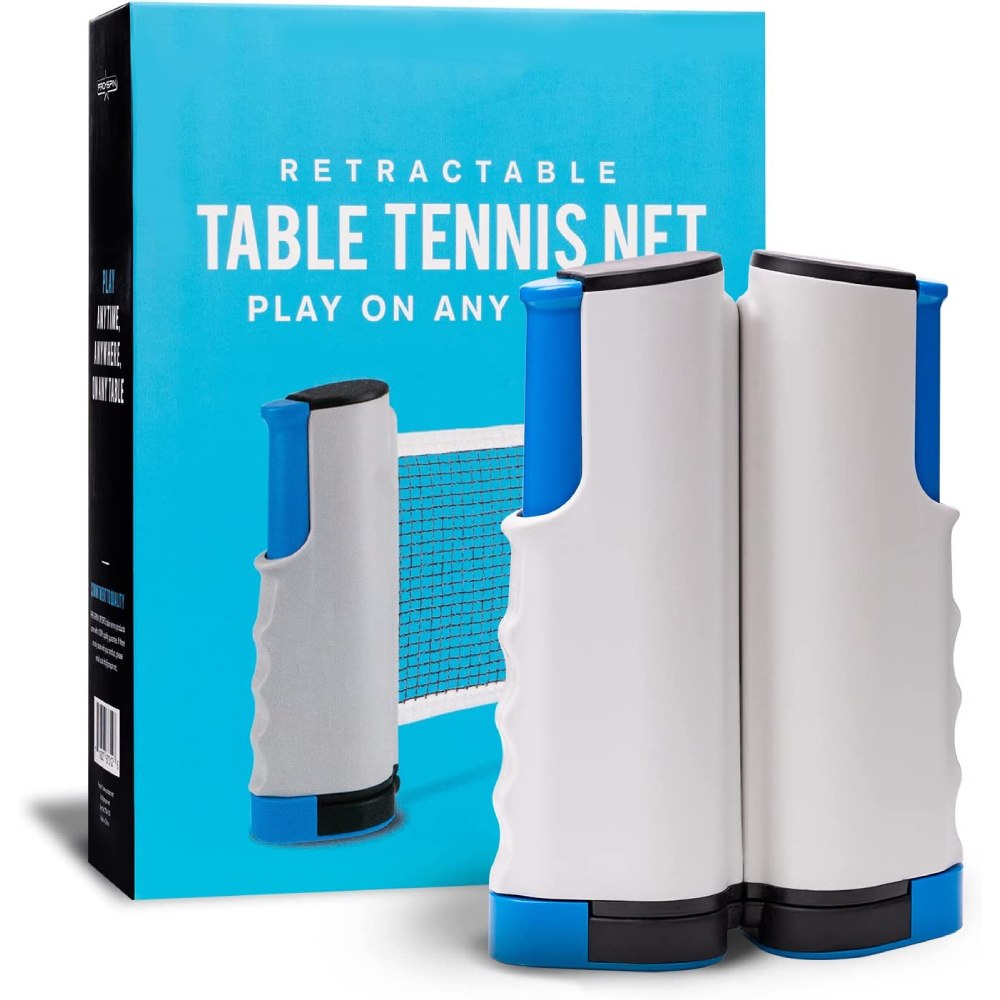
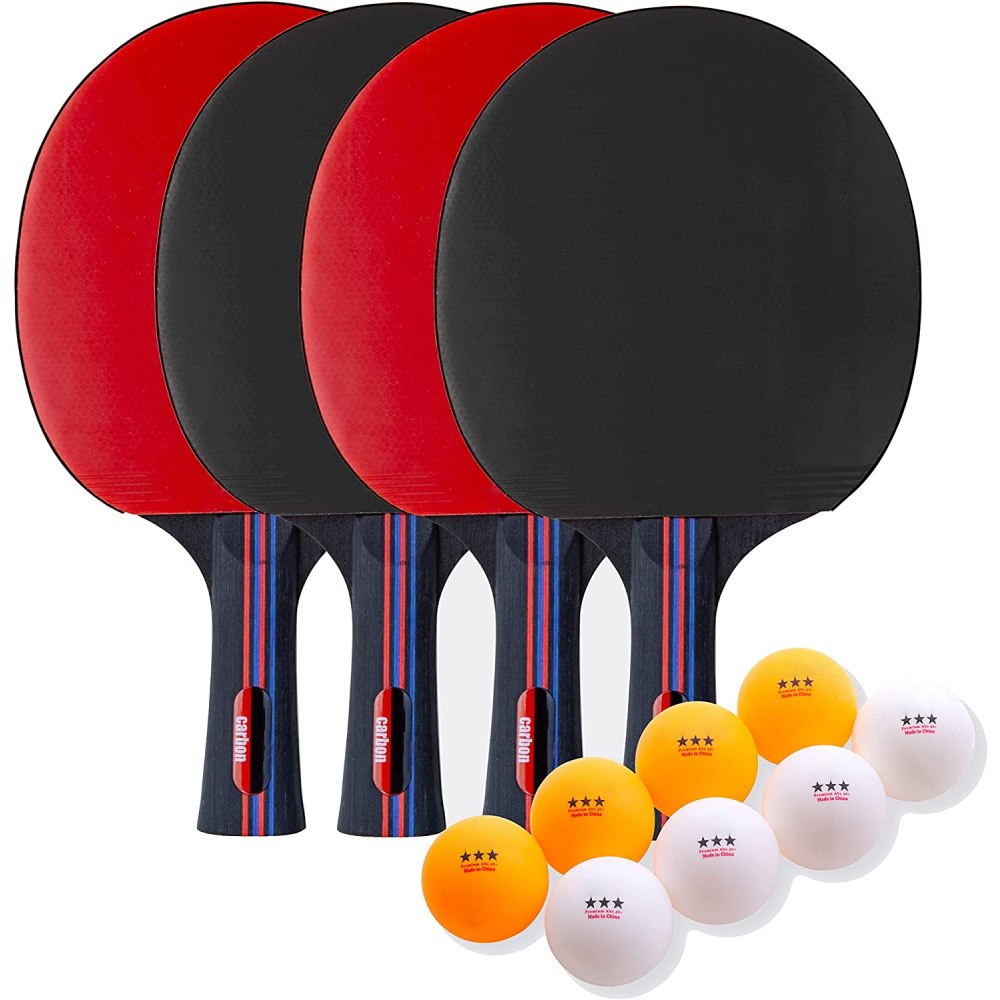
- Table Tennis: Full table sets, retractable nets and rackets for the garage, the games room and the back deck. Free delivery across Canada on orders over $100.
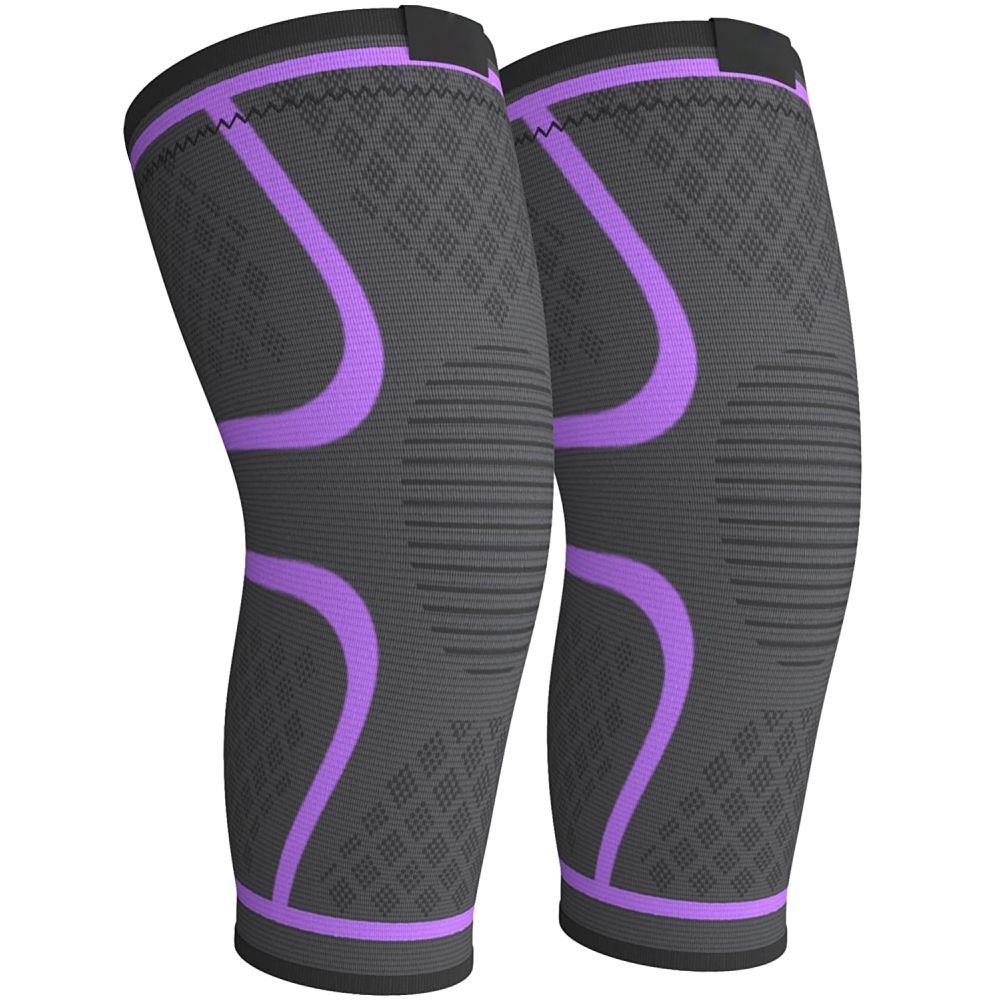
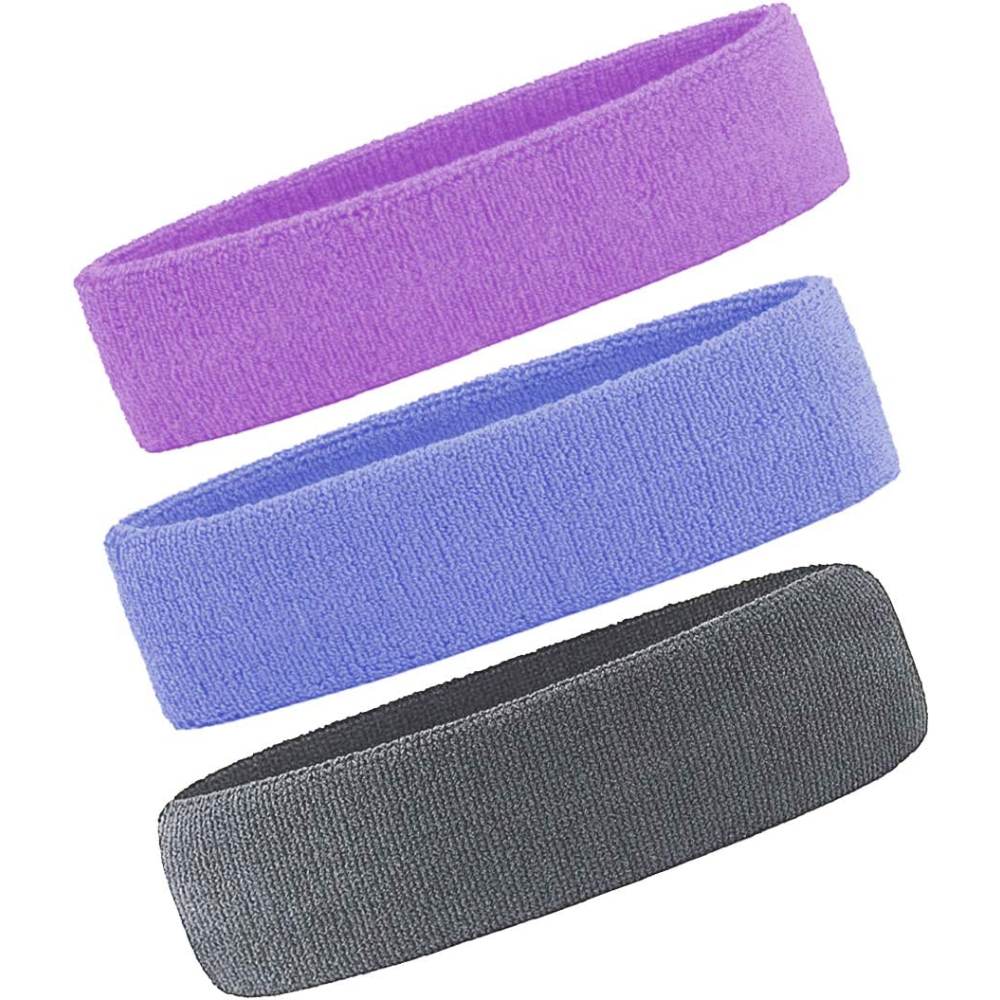
- Accessories: Knee braces, sweat headbands and training cones: the small things that go in the bag every week. Free delivery across Canada on orders over $100.
What we are, and what we are not
We are an online store. There is no shop you can walk into, no counter and no equipment equipment sizing consultation. What that buys you is a smaller price on the same equipment, delivered to the door.
We stock a chosen range rather than a catalogue of everything. Each product on this page is here because it is the one we would buy for that job, not because it filled a gap in a list.
Delivery, plainly
Orders are picked and packed within 2 working days, and delivery takes up to 7 working days in transit after that. Delivery is free on orders of $100 or more, and $25 below that. Items in one order can arrive in separate parcels, which is normal and not a sign anything is missing.
Frequently asked questions
How do Sports Goods make training more enjoyable?
Sports Goods add variety, structure and purpose to workouts, making sessions more engaging. When training feels enjoyable, people are more likely to return to it regularly, and that consistency often leads to stronger long-term results.
Is Sporting Goods Near Me suitable for schools, clubs and families?
Yes, Sporting Goods Near Me can suit a wide range of users by covering different activities and training needs in one place. It is a practical online option for helping groups stay active, organised and ready for regular participation.
What results can the right Sports Equipment support?
The right Sports Equipment can support better technique, improved conditioning, stronger consistency and more confident training. Results still depend on effort and routine, but suitable gear can remove barriers and support more structured progress.
Why are Sports Goods popular for home gyms?
Sports Goods are popular for home gyms because they bring flexibility, convenience and routine into one space. Even a compact setup can support strength, mobility and cardio sessions, helping people stay active without depending on travel.
How do I know Sporting Goods Near Me are right for my sport?
Begin with your activity, training style and performance goals. The best Sporting Goods Near Me options clearly match the demands of your sport, helping support technique, consistency and readiness for both practice and competition.
Can Sports Equipment be used for solo and group training?
Yes, Sports Equipment works well for solo practice, partner drills and team sessions. Versatile gear helps you train anywhere, repeat key movements and adapt exercises easily, making it easier to stay committed in different settings.
What makes Sports Goods important for regular exercise?
Sports Goods help structure workouts, improve variety and support safer movement. When exercise feels more organised and engaging, people are more likely to stick with it, which matters because consistent activity supports heart health and wellbeing.
How quickly can Sporting Goods Near Me help me get started?
Sporting Goods Near Me online lets you browse, compare and select essentials in minutes. That means less delay between planning and action, helping you begin training sooner and keep motivation high while your goals are still fresh.
Why buy Sports Equipment for year-round training?
Sports Equipment supports indoor workouts, outdoor drills and skill practice throughout the year. Keeping active across every season can help maintain routine, improve conditioning and make it easier to stay ready for future competition or fitness goals.
How do Sports Goods support recovery and mobility?
Many Sports Goods are designed for stretching, muscle release and movement preparation. Recovery tools can help support flexibility, reduce stiffness after exercise and make regular training more sustainable across busy weekly routines.
Can Sporting Goods Near Me suit multiple skill levels?
Yes, a strong Sporting Goods Near Me range can support beginners, developing players and experienced athletes across many activities. The key is choosing gear that suits your training purpose, helping you progress steadily and stay motivated.
What are essential Sports Equipment items for general fitness?
Popular Sports Equipment for general fitness includes mats, skipping ropes, resistance tools, mobility accessories and training markers. These essentials support cardio, strength and flexibility work, helping create varied routines and reduce the risk of boredom.
How do Sports Goods help with consistency?
Having the right Sports Goods ready to use removes friction from training. When equipment is accessible, people are more likely to complete planned sessions, maintain momentum and build habits, which is essential for reaching weekly activity targets.
Why do athletes search for Sporting Goods Near Me?
Athletes want quick access to dependable gear that supports specific training goals. Searching Sporting Goods Near Me online helps them compare options quickly, find suitable essentials and prepare for upcoming sessions without unnecessary delay.
Can Sports Equipment help with skill development?
Yes, Sports Equipment is essential for practising movement patterns, timing, control and coordination. Repeating drills with the right gear helps refine technique over time, and small gains made consistently can lead to noticeable performance improvement.
What makes Sports Goods a smart fitness investment?
Sports Goods support long-term training habits by making exercise more effective and easier to maintain. When gear matches your goals and is simple to use, it can encourage consistency, one of the strongest drivers of measurable fitness progress.
Is Sporting Goods Near Me useful for team sports?
Absolutely. Sporting Goods Near Me can include essentials for football, netball, cricket, basketball and more, helping teams and players prepare for training and match day. Having the right kit supports smoother sessions and better organisation.
How can Sports Equipment support active lifestyles?
Sports Equipment makes it easier to turn good intentions into regular movement. Whether used for cardio, strength, mobility or skill work, the right gear supports activity at home or outdoors and helps keep weekly fitness goals on track.
Are Sports Goods suitable for home workouts?
Yes, many Sports Goods are ideal for home exercise, including mats, resistance tools, agility markers and recovery accessories. Home training supports consistency, and even 20 to 30 minutes a day can help improve fitness, energy and routine.
What should I look for in Sporting Goods Near Me?
Look for quality materials , clear product information, strong category choice and gear suited to your activity. The best Sporting Goods Near Me pages help you compare essentials easily and choose equipment that supports regular use and training progress.
Why is quality important in Sports Equipment?
Reliable Sports Equipment delivers consistent handling, durability and support through repeated use. Better-made gear often performs more predictably, which matters in drills, practice and competition. That consistency can improve confidence and help maintain focus.
What sports are covered by Sports Goods?
Sports Goods can support team sports, racquet sports, athletics, strength training, yoga, mobility work and home fitness. A versatile online selection makes it simple to equip for one activity or several, whether you train casually or competitively.
Can Sporting Goods Near Me help improve performance?
The right Sporting Goods Near Me can support better drills, sharper movement and more consistent practice. Quality gear helps athletes repeat skills efficiently, track progress and stay motivated when improving speed, control, strength or coordination.
What are the benefits of buying Sports Equipment online?
Buying Sports Equipment online offers convenience, broader choice and quick access to product details. It also makes it easier to compare features, shop at any time and build a complete training setup without limited shelf selection.
How often should Sports Goods be replaced?
That depends on frequency of use, care and training intensity. Regularly used Sports Goods may lose grip, bounce or support over time. Checking equipment often helps maintain performance and safety, especially during active training periods.
Is Sporting Goods Near Me good for beginners?
Yes, Sporting Goods Near Me is ideal for beginners because it makes it easier to find essential kit for learning the basics. Good starter gear encourages regular practice, supports proper form and helps new players build confidence early.
How do I choose the best Sports Equipment for training?
Start with your sport, experience level and training goals. The best Sports Equipment supports safe movement, repeated use and steady improvement. Suitable gear can help build routine, sharpen technique and make each workout more productive.
What can I buy in Sports Goods?
Sports Goods can include fitness accessories, racquet sport essentials, team game gear, training cones, protective items, bags and recovery tools. A strong online selection helps you shop for multiple sports in one place and stay prepared for every session.
Why choose Sporting Goods Near Me online?
Searching Sporting Goods Near Me online gives access to a broader range , easy product comparison and convenient delivery without needing to visit a store. It is an efficient way to find trusted gear, save time and get ready for training faster.
What is Sports Equipment used for?
Sports Equipment supports training , match play, recovery and general fitness. From balls and bats to nets, mats and protective gear, the right kit helps improve performance, build confidence and support the recommended 150 minutes of weekly activity .
Sports Equipment | Sporting Goods Near Me | Sports Goods
Premium Sports Equipment & Accessories
Unleash your potential with our vast range of sports equipment, high performance apparel, & fitness essentials at Sports Warehouse Company.
Whether you’re stocking up for team practice or upgrading your home gym, our warehouse offers unbeatable value and quality.
Fast shipping direct to your door all across Canada
Search For A Product
Baseball/Softball | Darts | Golf | Skating | Racquets | Table Tennis | AccessoriesBaseball/Softball Equipment
Darts
Golf
Skating
Racquets
Table Tennis
Accessories
Sports Equipment: The Ultimate Guide to Finding Quality Sporting Goods Near Me and Choosing the Best Sports Goods
Every athlete knows that the right sports equipment can transform performance. Whether you are searching for sporting goods near me to pick up a new tennis racket or browsing online for specialized sports goods to take your training to the next level, the choices you make about your gear directly impact your comfort, safety, and results. But navigating the world of sports equipment can feel overwhelming when faced with countless brands, materials, and specifications.
This in-depth guide covers everything you need to know about selecting, maintaining, and getting the best value from your sports equipment. From understanding what separates premium sporting goods from budget alternatives to knowing exactly what to look for when searching for sports goods, you will walk away with the knowledge to make confident purchasing decisions for any sport or activity.
Why Quality Sports Equipment Matters More Than You Think
It is tempting to grab the cheapest option when shopping for sports equipment, especially if you are just starting out. However, the quality of your sporting goods affects far more than just durability. Poorly constructed sports goods can compromise your technique, increase injury risk, and ultimately cost more in replacements than investing in quality gear from the start.
Consider a simple example like running shoes. A well-engineered pair of sports equipment provides the cushioning, stability, and support your feet need to absorb thousands of impacts per run. A cheap alternative may feel fine for the first few outings but can lead to knee pain, shin splints, or plantar fasciitis within weeks. The same principle applies across every sport, from the grip on a hockey stick to the padding inside a boxing glove. Quality sporting goods protect your body while helping you perform at your best.
The Connection Between Equipment Quality and Athletic Performance
Research consistently shows that appropriate sports equipment enhances performance outcomes. A properly weighted cricket bat allows for cleaner strokes. A well-strung badminton racket delivers more precise shots. Correctly fitted cycling gear reduces drag and improves efficiency. None of this means you need the most expensive sports goods on the market, but it does mean that choosing the right level of quality for your ability and commitment level makes a measurable difference.
Safety Implications of Substandard Sports Goods
Beyond performance, safety is the most compelling reason to invest in reliable sports equipment. Helmets, shin guards, mouthguards, and body protectors are designed to absorb and distribute impact forces according to strict testing standards. Substandard sporting goods that have not been properly tested may fail at the moment you need protection most. When searching for sports goods in protective categories, always verify that products carry recognized safety certifications.
How to Find the Best Sporting Goods Near Me
Whether you prefer shopping in person or online, finding a reliable source for sports equipment is essential. The search for sporting goods near me often begins with a quick online query, but knowing how to evaluate what you find makes all the difference between a great purchase and a disappointing one.
Local Sports Shops and Specialty Retailers
Local sporting goods stores offer something that online shopping cannot fully replicate: the ability to hold, try, and test sports equipment before you buy. When you walk into a store after searching for sporting goods near me, you can feel the weight of a tennis racket, try on a pair of football boots, or test the grip on a set of golf clubs. This tactile experience is invaluable for equipment where fit and feel are critical.
Specialty retailers take this a step further by focusing on specific sports or activity types. A dedicated running store, for example, will have staff trained in gait analysis who can recommend the ideal shoe based on how your foot strikes the ground. A cycling shop will offer professional bike equipment equipment sizing consultations. These specialists understand their sports goods at a level that general retailers simply cannot match.
What to Look for in a Local Sporting Goods Store
When evaluating a local store for your sports equipment needs, consider the range of brands they carry, the expertise of their staff, and their willingness to let you test products. A good sporting goods retailer encourages you to swing a bat, bounce a ball, or walk around the store in a pair of shoes before committing. They understand that confident customers become loyal customers, and they invest in creating an environment where you can make informed decisions about your sports goods.
Online Shopping for Sports Equipment
Online retailers have revolutionized access to sports equipment by offering vast inventories that no single physical store could match. When local options for sporting goods near me fall short, online shopping opens up a world of specialized sports goods from brands and manufacturers across the globe. The convenience of comparing specifications, reading hundreds of reviews, and having products delivered to your door has made online purchasing the preferred method for many athletes.
However, buying sports equipment online requires a different approach than shopping in person. Since you cannot physically test the product, you need to rely on detailed product descriptions, sizing guides, customer reviews, and return policies. The best online sporting goods retailers provide comprehensive information including weight, dimensions, materials, and compatibility details for every item in their inventory.
Tips for Buying Sports Goods Online Safely
To ensure a positive experience when purchasing sports equipment online, start by confirming that the retailer is an authorized dealer for the brands they carry. Check their return and exchange policy before placing an order, paying particular attention to whether they cover return shipping costs. Read customer reviews with a critical eye, focusing on comments about sizing accuracy, build quality, and how the sporting goods perform in real-world conditions rather than just initial impressions.
Essential Sports Equipment Categories Every Athlete Should Know
The world of sporting goods is vast, spanning hundreds of product categories across dozens of sports. Understanding the major categories helps you prioritize your purchases and ensures you do not overlook critical sports goods that could improve your experience.
Footwear: The Foundation of Every Sport
No category of sports equipment has a greater impact on comfort and injury prevention than footwear. Every sport demands specific characteristics from shoes. Court sports require lateral stability and grip on smooth surfaces. Field sports need traction on grass or turf. Running shoes must balance cushioning with responsiveness. Trail shoes prioritize grip and protection on uneven terrain.
When shopping for sporting goods near me or online, invest time in finding footwear that fits your foot shape, matches your activity, and suits your biomechanics. Many athletes make the mistake of choosing shoes based on brand loyalty or appearance rather than function. The best approach is to have your feet measured professionally and, if possible, undergo a gait analysis to identify any pronation issues that specific sports goods can address.
Apparel: Performance Fabrics and Functional Design
Modern sports equipment extends well beyond sticks, balls, and rackets. Performance apparel has become a critical part of every athlete's kit. Technical fabrics wick moisture away from the skin, regulate body temperature, reduce chafing, and provide compression support to muscles during intense activity. The difference between training in cotton and training in purpose-built sporting goods is immediately noticeable in comfort and endurance.
When selecting sports apparel, consider the conditions you will be training or competing in. Layering systems work well for outdoor sports in variable weather, while lightweight, breathable fabrics are essential for indoor activities and warm climates. Look for flatlock seams that prevent irritation, reflective elements for low-light visibility, and strategic ventilation zones in high-heat areas.
Protective Gear: Non-Negotiable Sports Goods
Protective sports equipment saves lives and prevents career-ending injuries. This category includes helmets for cycling, skateboarding, cricket, and equestrian sports. It covers body armor for contact sports like rugby and American football. Shin guards, elbow pads, knee braces, ankle supports, and mouthguards all fall under this essential umbrella of sporting goods.
Never compromise on protective sports goods. Look for products that meet or exceed the safety standards relevant to your sport. Replace helmets after any significant impact, even if no visible damage is apparent, because the internal structure may be compromised. Check protective sporting goods regularly for wear and replace them according to manufacturer guidelines.
Sport-Specific Equipment: Bats, Rackets, Clubs, and Beyond
This is the category most people picture when they think of sports equipment. Cricket bats, tennis rackets, golf clubs, hockey sticks, baseball gloves, archery bows, and swimming goggles are all examples of sport-specific sports goods that require careful selection based on your skill level, physical attributes, and playing style.
Beginners often benefit from sports equipment designed for forgiveness and ease of use, while advanced athletes typically prefer sporting goods that offer greater control and precision at the expense of user-friendliness. A beginner's tennis racket, for instance, features a larger head size and lighter weight to make it easier to make contact with the ball. An advanced player's racket is heavier and has a smaller head, allowing for more precise shot placement but demanding better technique.
How to Match Equipment to Your Skill Level
One of the most common mistakes athletes make is purchasing sports equipment designed for a higher skill level than their own. While it is natural to aspire to use professional-grade sports goods, equipment that is too advanced can actually hinder development by masking technique flaws or being physically demanding to use correctly. A thoughtful approach is to start with intermediate-level sporting goods and upgrade as your skills improve and you can genuinely benefit from the additional performance characteristics of higher-end gear.
Fitness and Training Equipment
Home gyms and personal training setups have surged in popularity, creating massive demand for fitness-related sports equipment. Dumbbells, kettlebells, resistance bands, yoga mats, foam rollers, pull-up bars, and cardio machines are now staples in many households. The quality range within this category of sports goods is enormous, from flimsy products that break within weeks to commercial-grade sporting goods built to withstand years of heavy use.
When investing in fitness sports equipment for home use, prioritize items you will use most frequently. A high-quality set of adjustable dumbbells and a sturdy bench can support hundreds of exercises and serve you for decades. Complement these core pieces with resistance bands and a quality mat, and you have a versatile training setup that rivals many gym memberships.
How to Evaluate Sports Equipment Before Buying
Knowing how to assess sports goods before committing to a purchase saves money and ensures you end up with sporting goods that genuinely serve your needs. Here is a systematic approach to evaluating any piece of sports equipment.
Materials and Construction Quality
The materials used in sports equipment directly determine its performance, durability, and weight. Carbon fiber, for example, creates lightweight yet incredibly stiff rackets and bike frames. High-density foam provides superior cushioning in footwear and protective gear. Genuine leather offers unmatched feel and durability in cricket gloves and boxing equipment. Understanding what materials to expect at different quality levels helps you spot sports goods that offer genuine value versus those that cut corners.
Examine the construction details of any sporting goods you are considering. Check stitching for consistency and strength. Look at joints and connection points for secure fastening. Test moving parts for smooth operation. These small details reveal a lot about the overall quality of the sports equipment and how it will hold up under regular use.
Brand Reputation and Reviews
While brand name alone does not guarantee quality, established sporting goods manufacturers have reputations to protect and typically invest heavily in research, development, and quality control. When evaluating sports equipment from less familiar brands, rely more heavily on verified customer reviews and independent testing results. Look for patterns in feedback rather than isolated comments. If multiple reviewers mention the same weakness in a piece of sports goods, that is a reliable indicator of a genuine issue.
Warranty and After-Sale Support
A manufacturer's warranty tells you a lot about their confidence in their sports equipment. Generous warranty terms suggest that the company expects their sporting goods to last. A minimal or nonexistent warranty on products that should be durable is a warning sign. Beyond the warranty itself, evaluate how easy it is to actually make a claim. The best sports goods companies have straightforward processes for handling defective products and stand behind their equipment without making customers jump through hoops.
Maintaining Your Sports Equipment for Maximum Lifespan
Even the finest sporting goods require proper care to deliver peak performance over time. Regular maintenance protects your investment and ensures that your sports equipment remains safe and functional throughout its intended lifespan.
Cleaning and Storage Best Practices
Every type of sports equipment has specific cleaning requirements. Leather sports goods need conditioning to stay supple and resist cracking. Synthetic materials often benefit from gentle soap and water cleaning after use. Footwear should be aired out after every session to prevent bacterial growth and material breakdown. Storing sports equipment in dry, temperature-controlled environments prevents warping, rusting, and degradation of adhesives.
Create a simple maintenance routine for your sporting goods. After each use, wipe down surfaces, remove dirt and moisture, and allow everything to dry before storing. Periodically inspect your sports goods for signs of wear, loose components, or damage that could affect performance or safety.
Knowing When to Replace Your Sports Goods
All sports equipment has a finite lifespan, and continuing to use worn-out sporting goods can compromise both performance and safety. Running shoes, for example, typically need replacing after 500 to 800 kilometers of use, even if they still look fine on the outside. The midsole cushioning degrades with each impact, gradually losing its ability to protect your joints.
Helmets should be replaced after any significant impact or according to the manufacturer's recommended timeline, whichever comes first. Balls lose their bounce and shape over time. Strings in rackets lose tension. Grips wear smooth. Keeping track of how long you have used specific sports goods and monitoring their condition helps you replace them at the right time rather than waiting for a failure that could result in injury or a critical performance drop.
Sports Equipment Trends Shaping the Future of Athletic Gear
The sporting goods industry is driven by constant innovation, with new materials, technologies, and design approaches emerging every season. Staying informed about these trends helps you make smarter decisions when shopping for sports equipment.
Smart Technology Integration in Sports Goods
The integration of sensors, Bluetooth connectivity, and companion apps into sports equipment is accelerating rapidly. Smart basketballs track shot arc and spin. Connected jump ropes count repetitions and calculate calories. Sensor-equipped insoles analyze running form in real time. These technology-enhanced sporting goods provide data that was previously only available through expensive laboratory testing, putting actionable performance insights into the hands of everyday athletes.
Sustainable and Eco-Friendly Sporting Goods
How to Identify Genuinely Sustainable Sports Equipment
With sustainability becoming a marketing buzzword, it is important to distinguish genuine environmental commitment from greenwashing. Look for specific certifications such as bluesign for textiles, Forest Stewardship Council approval for wood products, and detailed transparency reports about manufacturing processes. Truly sustainable sporting goods companies share specifics about their environmental impact rather than making vague claims about being "eco-friendly." Ask questions, read labels carefully, and support sports goods manufacturers who back up their environmental promises with verifiable action.
Customization and Personalization
The ability to customize sports equipment to individual specifications is becoming increasingly accessible. Custom-molded insoles, personalized bat profiles, made-to-measure protective gear, and color-customized sporting goods are no longer reserved for professional athletes with sponsorship deals. Advances in manufacturing technology, including 3D printing and digital design tools, are making personalized sports goods available to recreational athletes who want equipment tailored to their unique body dimensions and preferences.
Building Your Sports Equipment Collection Strategically
Rather than buying everything at once, experienced athletes build their sports goods collection strategically over time. This approach ensures that every piece of sports equipment in your kit earns its place and that your budget is allocated where it delivers the greatest return.
Prioritize High-Impact Purchases First
Start with the sports equipment that has the biggest influence on your safety and performance. For most sports, this means footwear and protective gear. These are the sporting goods where quality matters most and where cutting corners carries the highest risk. Once your foundational sports goods are sorted, you can gradually add specialized equipment, training accessories, and performance-enhancing gear as your needs and budget allow.
Take Advantage of Seasonal Sales and Clearance Events
Sporting goods retailers regularly discount sports equipment during end-of-season sales, holiday promotions, and clearance events. Last season's sports goods are often functionally identical to the newest models but available at significantly reduced costs. By timing your purchases strategically and keeping a wishlist of sports equipment you need, you can build a comprehensive collection without overspending.
Frequently Asked Questions About Sports Equipment
How often should I replace my sports equipment?
Replacement frequency depends on the type of sporting goods and how intensively you use them. Footwear typically lasts six months to a year of regular use. Protective sports goods like helmets should be replaced after any impact or every three to five years. Rackets, bats, and clubs can last several years with proper care but should be replaced when structural integrity is compromised.
What should I look for when searching for sporting goods near me?
Prioritize stores with knowledgeable staff, a wide range of brands, the willingness to let you test products, and a fair return policy. Whether the store specializes in a particular sport or carries general sports goods, expertise and customer service are the most important factors in having a positive shopping experience.
Is expensive sports equipment always better?
Not necessarily. The most expensive sports goods are typically designed for elite athletes and may not suit recreational players. Mid-range sporting goods from reputable brands often deliver the best balance of quality, performance, and value for the majority of athletes. Focus on finding sports equipment that matches your skill level and needs rather than simply buying the most expensive option available.
Can I buy sports goods online without trying them first?
Yes, but take precautions. Use detailed sizing charts, read customer reviews about fit accuracy, and always verify the return policy before purchasing sports equipment online. Many reputable online sporting goods retailers offer free returns or exchanges, which significantly reduces the risk of buying sports goods you have never handled in person.
Final Thoughts on Choosing the Right Sports Equipment
The right sports equipment empowers you to train harder, compete more effectively, and enjoy your chosen activities with greater comfort and confidence. Whether you find your sporting goods through a local search for sporting goods near me or browse specialized online retailers, the principles remain the same: prioritize quality where it counts, match your sports goods to your skill level and needs, maintain your gear properly, and replace it when the time comes.
Smart choices about sports equipment pay dividends in performance, safety, and long-term value. Take the time to research, compare, and test before you buy, and you will build a collection of sporting goods that supports your athletic journey for years to come.