Skating Equipment | Skates Store | Skate Accessories
Skating Equipment for Every Discipline: Your Trusted Skates Store for Quality Gear & Skate Accessories
Roll, glide, & grind with confidence in skating equipment built for the way you move. Our skates store carries everything from quad and inline skates to ice skates, protective gear, wheels, bearings, and the skate accessories that keep your setup performing at its peak.
Fast shipping direct to your door all across Canada
-
Sale!

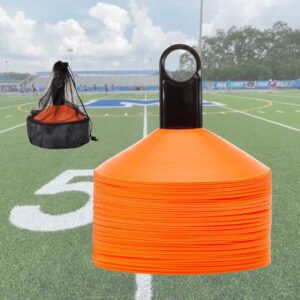
Training Cones | Small Sports Cones | Small Training Cones
Original price was: $99.$69Current price is: $69. -
Sale!
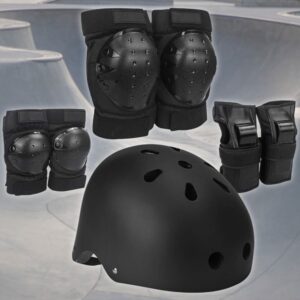
Safety Gear For Skateboarding | Sports Gear | Bicycle Protective Equipment
Price range: $109 through $119 -
Sale!

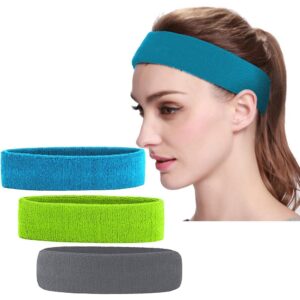
Sports Headbands | Sweat Band | Workout Headbands
Original price was: $39.$26Current price is: $26. -
Sale!
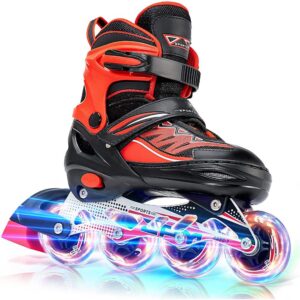
Rollerblades Skates | Adjustable Inline Skates | Roller Skates
Original price was: $169.$135Current price is: $135. -
Sale!
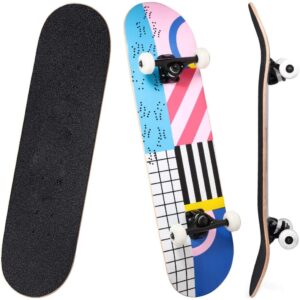
Tricks Skateboards | Complete Skateboard | Skateboarding
Original price was: $149.$99Current price is: $99.
-
How can Skating Equipment influence confidence on wheels?
Reliable Skating Equipment helps riders feel more secure through better grip, smoother rolling and steadier support. When gear responds predictably, skaters can focus on rhythm and technique rather than hesitation, which often leads to faster improvement and more enjoyable sessions.
-
Why do experienced riders trust a specialist Skates Store?
Experienced riders value a Skates Store that focuses on skating-first products rather than general sports stock. A specialist range makes it easier to find dependable gear, trusted brands and accessories designed to work together for stronger all-round performance.
-
How does advanced Skating Equipment benefit skilled skaters?
Advanced Skating Equipment can deliver more precision, responsiveness and efficient power transfer, which matters when technique becomes more refined. Skilled skaters often notice sharper handling and smoother control, especially during demanding sessions with repeated turns and stops.
-
Can Skate Accessories make training sessions more efficient?
Yes, the right Skate Accessories can streamline training by improving organisation, protection and readiness. Easy-carry storage, care items and protective extras cut setup time, reduce interruptions and help skaters stay focused on technique, endurance and skill development.
-
Why do skaters prefer a dedicated Skates Store for accessories and gear?
A focused Skates Store makes it easier to source both core gear and supporting extras in one place. That saves time, improves compatibility and helps skaters build a more complete setup designed for performance, protection and long-term convenience.
-
Which Skate Accessories are most useful for regular skaters?
Popular Skate Accessories include guards, carry bags, maintenance tools and protective gear. These essentials help keep equipment ready to use, easier to transport and better protected between sessions. Small upgrades often make skating more convenient and more enjoyable.
-
How do Skate Accessories improve overall performance?
The right Skate Accessories can make a noticeable difference to comfort, control and durability. Items like guards, bags, tools and protective add-ons help keep gear in better condition, reduce downtime and support a more consistent skating experience over time.
-
Why is durable Skating Equipment important for regular use?
Durable Skating Equipment stands up better to repeated training, helping maintain consistent feel and dependable control. Strong materials and solid construction can reduce the impact of frequent use, making each session more reliable for riders who skate often.
-
What are the benefits of buying from an online Skates Store?
An online Skates Store gives quick access to a curated range of specialist skating products without endless browsing. It is easier to compare features, find matching essentials and build a complete setup in minutes, making the buying process far more efficient.
-
What features define high-performing Skating Equipment?
High-performing Skating Equipment is known for precision build quality, dependable grip and efficient roll. These features work together to improve control, reduce wasted effort and support smoother transitions, helping skaters maintain rhythm and confidence across every session.
-
Why choose a Skates Store for your next skating upgrade?
A specialist Skates Store offers a focused range of performance-led gear, so it is easier to compare trusted options in one place. That means less guesswork, better compatibility and faster access to essentials that can improve comfort, balance and ride quality.
-
Why should every skater consider Skate Accessories part of the setup?
Every skater benefits when Skate Accessories are treated as part of the full setup, not an afterthought. The right extras improve protection, organisation and upkeep, helping equipment stay session-ready while making the overall skating experience smoother and more dependable.
-
What role do Skate Accessories play in maintenance?
Essential Skate Accessories support easy maintenance by helping keep gear clean, protected and organised. Proper storage and care tools can reduce build-up, limit avoidable damage and help equipment perform more consistently, especially for skaters who use their setup frequently.
-
What makes a Skates Store different from a general retailer?
A true Skates Store focuses on skating-specific performance and compatibility, not just broad product volume. That specialist approach helps shoppers find gear that works together properly, making it easier to build a dependable setup for training, recreation or progression.
-
Why is quality Skating Equipment worth considering?
Premium Skating Equipment is built for better responsiveness, stronger materials and longer-lasting performance. Reliable gear can help reduce distractions, support cleaner movement and deliver a more polished ride, especially for skaters who train often or push their limits.
-
What should you expect from a quality Skates Store range?
A quality Skates Store range should include trusted essentials, performance options and practical add-ons that work together. A strong selection helps skaters upgrade with confidence, reduce mismatched purchases and find products suited to regular use and ongoing progression.
-
How does Skating Equipment support better control?
Well-designed Skating Equipment supports balance, edging and braking response, making movement feel more controlled. Better control often means smoother turns, steadier stopping and more confidence during varied sessions, whether learning fundamentals or refining advanced skills.
-
Which Skate Accessories are best for protecting skates in storage?
Top Skate Accessories for storage include guards, protective bags and care essentials. These items help reduce scratches, keep moisture in check and make equipment easier to transport, helping preserve condition and readiness between one session and the next.
-
Why is a specialist Skates Store ideal for committed skaters?
A dedicated Skates Store suits committed skaters because it concentrates on products built for consistency, progression and protection. With specialist options in one place, it becomes easier to choose gear that supports regular practice and dependable on-wheel performance.
-
How can a Skates Store help build a complete setup?
A specialist Skates Store makes it easier to combine skates, protection and useful extras into one cohesive setup. This improves convenience, saves research time and helps ensure every item supports the same goal: better performance and a smoother riding experience.
-
How does a Skates Store simplify finding the right essentials?
A specialist Skates Store simplifies shopping by bringing together core skating gear and practical add-ons in one focused space. That reduces search time, improves product matching and helps skaters move from browsing to riding with far less friction.
-
How often should Skating Equipment be refreshed or checked?
Skating Equipment should be checked regularly for wear, grip and rolling efficiency. Active skaters often inspect gear before or after each session, as small issues can affect control. Routine checks help maintain performance and keep every ride feeling smooth and reliable.
-
How can a Skates Store help serious skaters progress faster?
A dedicated Skates Store brings together gear designed for efficiency, protection and progression. Serious skaters benefit from access to specialist products that support cleaner strides, better turning response and more reliable performance during regular training sessions.
-
Can Skate Accessories help extend the life of your setup?
Yes, practical Skate Accessories can help extend setup life by reducing wear, impact and storage damage. Care-focused extras protect vulnerable parts, keep equipment organised and help maintain better condition, which can support stronger performance over repeated use.
-
How do Skate Accessories improve convenience between sessions?
Helpful Skate Accessories make gear easier to carry, store and maintain between sessions. That added convenience reduces clutter, protects key components and keeps everything organised, so skaters can spend less time preparing and more time actually skating.
-
How do Skate Accessories help protect your gear?
Smart Skate Accessories help shield equipment from scratches, moisture and everyday wear. Guards, storage solutions and care tools can extend usable life, keep components cleaner and reduce unnecessary damage, helping skaters stay ready for their next session.
-
What makes Skating Equipment essential for a smoother ride?
Quality Skating Equipment improves stability, grip and control, helping riders feel more confident from the first session. Well-made gear can reduce rolling resistance, improve energy transfer and support cleaner technique, making every push, turn and stop feel sharper.
-
What should beginners look for in Skating Equipment?
Beginners should choose Skating Equipment built for support, smooth rolling and easy handling. A dependable setup helps develop technique faster and builds confidence early. Many new skaters improve quicker when their gear feels stable and predictable from day one.
-
Why are Skate Accessories a smart addition to any setup?
Useful Skate Accessories add convenience, protection and day-to-day practicality. From storage and maintenance items to protective essentials, they help keep sessions organised and equipment in stronger condition, which can improve consistency and reduce avoidable wear over time.
-
What makes Skating Equipment a key part of skill development?
Effective Skating Equipment gives riders the stable foundation needed to practise with confidence. Better support, smoother movement and reliable handling can accelerate learning, helping skaters repeat drills more efficiently and build technique through consistent, controlled sessions.
Skating Equipment: How to Find the Right Skates Store and Choose Essential Skate Accessories
There is something uniquely thrilling about skating. The moment your wheels or blades meet a smooth surface and momentum takes over, the world feels different. But that feeling depends entirely on what is strapped to your feet and how well your gear supports the way you move. Whether you are rolling through a park on quad skates, carving a halfpipe on aggressive inlines, gliding across ice, or cruising the streets on a longboard, the right skating equipment is the foundation of everything you do.
This guide covers the full spectrum of skating equipment across all major disciplines. It will help you understand what to look for in a skates store, how to match gear to your skating style, and which skate accessories genuinely improve your experience versus which ones you can safely skip. If you are new to skating or looking to upgrade your current setup, the information here gives you the knowledge to shop with confidence and skate with conviction.
Understanding the Different Types of Skating Equipment
Skating is not a single sport. It is a family of disciplines that share the common principle of gliding on a surface using wheels or blades, but the equipment demands of each discipline are remarkably different. Before walking into a skates store or browsing online, understanding which type of skating you want to pursue is the essential first step.
Roller Skating and Quad Skates
Quad skates feature four wheels arranged in a two-by-two configuration, providing a wide, stable platform that makes them popular for rink skating, dance skating, roller derby, and outdoor recreational cruising. The skating equipment in this category prioritises stability and manoeuvrability at moderate speeds. Quad skates offer a lower centre of gravity than inline models, which many beginners find reassuring as they develop balance and basic stopping skills.
The boot style on quad skating equipment varies from high-cut designs that support the ankle to low-cut models that allow greater ankle flexibility for dance moves and artistic footwork. Choosing between these styles at a skates store depends on your intended use. Recreational and derby skaters typically prefer the support of a higher boot, while rhythm and dance skaters opt for the freedom of a lower cut.
Inline Skating and Rollerblades
Inline skates arrange their wheels in a single line, creating a profile that resembles an ice skate blade. This configuration delivers greater speed and a smoother roll on varied surfaces, making inline skating equipment the preferred choice for fitness skating, urban commuting, aggressive trick skating, and speed skating. The longer wheelbase provides excellent straight-line stability, though the narrower profile demands better lateral balance than quad skates.
Within the inline category, a well-stocked skates store will carry several subcategories. Fitness skates prioritise comfort and moderate speed for recreational use. Urban skates are built tougher to handle rough city surfaces and curbs. Aggressive skates feature reinforced boots and small wheels designed for grinding rails and performing tricks at skateparks. Speed skates use large wheels and low-profile boots to maximise velocity. Each subcategory of skating equipment serves a distinctly different purpose, so clarity about your goals is crucial before making a purchase.
Ice Skating Equipment
Ice skates replace wheels with a metal blade that glides across frozen surfaces. This category of skating equipment includes figure skates with their distinctive toe pick for jumps and spins, hockey skates designed for rapid acceleration and sharp turns, and recreational ice skates that offer a comfortable introduction to the sport. A skates store that carries ice skating equipment will typically separate these categories clearly, as the boot construction, blade profile, and intended use differ significantly between them.
Skateboarding
While technically distinct from roller and ice skating, skateboarding shares enough common ground in culture, retail environments, and skate accessories to warrant inclusion. Skateboarding equipment centres on the deck, trucks, wheels, and bearings that make up a complete board. Many skaters store locations carry both roller skating and skateboarding gear under one roof, recognising the overlapping customer base and the shared passion for wheel-based movement.
How to Choose the Right Skates at a Skates Store
Walking into a skates store can feel overwhelming when the walls are lined with dozens of models across multiple skating disciplines. Narrowing your options efficiently requires focusing on a few key factors that apply regardless of which type of skating equipment you are shopping for.
Fit and Sizing: The Most Critical Factor
No piece of skating equipment matters more than fit. A skate that does not fit properly compromises control, causes pain, accelerates fatigue, and increases the risk of blisters and joint strain. Skate sizing often differs from standard shoe sizing, and different brands within the same skates store may fit differently even at the same listed size.
When trying on skating equipment, wear the same socks you intend to skate in. Your toes should lightly touch the end of the boot when standing upright but not feel cramped or curled. Your heel should sit firmly in the heel pocket without lifting when you bend your knees. There should be no excessive pressure points across the top of the foot or around the ankle. Take your time with this process. A knowledgeable skates store will encourage you to try multiple sizes and models rather than rushing you toward a purchase.
The Importance of Proper Ankle Support
Ankle support requirements vary by discipline, but getting this element right is crucial for both safety and performance. Beginners in most skating disciplines benefit from firmer ankle support that stabilises the joint while balance and strength develop. More experienced skaters may prefer less restrictive skating equipment that allows greater range of motion for advanced techniques. Aggressive and hockey skaters need robust ankle protection to withstand the impacts and sudden directional changes inherent in their sports. Discuss your experience level and skating goals with staff at your skates store to find the right balance of support and flexibility.
Boot Construction and Materials
The boot is the housing that connects your foot to the frame and wheels or blade, making it one of the most important components of any skating equipment. Boots are constructed from a variety of materials, each offering different characteristics.
Hard shell boots, common in aggressive inline and hockey skating equipment, use rigid plastic or composite exteriors with soft foam liners inside. They provide excellent impact protection and structural support, making them durable skate accessories for demanding disciplines. Soft boot designs, popular in fitness inline and recreational quad skating equipment, use padded fabric and mesh exteriors that prioritise comfort and breathability. Leather and synthetic leather boots, found in figure skating and many quad skate models at a skates store, offer a blend of support, durability, and the ability to mould to the foot over time.
Wheels: Size, Hardness, and Profile
Wheels are the interface between your skating equipment and the ground, and their specifications dramatically affect how your skates perform. Two key measurements define every wheel: diameter and durometer.
Diameter, measured in millimetres, determines speed potential and manoeuvrability. Larger wheels roll faster and handle rough surfaces better but raise your centre of gravity and reduce agility. Smaller wheels offer quicker acceleration and tighter turns at the expense of top-end speed. A good skates store will stock wheels across the full size range for each skating discipline, allowing you to tailor your setup to your preferred style.
Durometer measures hardness on the A scale, with higher numbers indicating harder wheels. Harder wheels roll faster and last longer but provide less grip and a rougher ride. Softer wheels absorb vibration, grip better on smooth surfaces, and feel more comfortable but wear down more quickly. The ideal hardness for your skating equipment depends on the surfaces you skate on and whether you prioritise speed or control.
Choosing Wheels for Different Surfaces
Outdoor skating on rough asphalt or concrete calls for larger, softer wheels that absorb imperfections and maintain grip. Indoor skating on polished rink floors suits smaller, harder wheels that maximise speed and responsiveness. Mixed-use skaters who alternate between environments may want to keep two sets of wheels in their skate accessories collection, swapping them based on where they plan to skate. This flexibility is one of the advantages of skating equipment with interchangeable components.
Bearings: The Hidden Performance Factor
Bearings sit inside the wheel hub and allow the wheel to spin freely around the axle. They are a small but mighty component of your skating equipment that directly affects how fast and smoothly you roll. Bearings are rated on the ABEC scale, with higher numbers indicating tighter manufacturing tolerances. However, the ABEC rating alone does not tell the complete story, as material quality, lubrication type, and seal design also influence bearing performance.
For most recreational skaters, mid-range bearings from a reputable skates store provide excellent performance without requiring the precision engineering of competition-grade components. Upgrading bearings is one of the most cost-effective improvements you can make to existing skating equipment, often producing a noticeable difference in roll speed and smoothness for a minimal investment in skate accessories.
Essential Skate Accessories for Safety
Skating involves speed, hard surfaces, and the ever-present possibility of falling. Protective skate accessories are not optional for responsible skaters, particularly those who are still developing their skills or who participate in high-impact disciplines.
Helmets
A certified skating helmet is the single most important piece of protective skating equipment you can wear. Skating helmets are designed to protect against the types of impacts most common in skating, which typically involve backward falls where the back of the head strikes the ground. Multi-impact helmets, constructed with an EPP foam liner, are designed to withstand repeated moderate impacts, making them ideal skate accessories for disciplines where falls are frequent. Single-impact helmets with EPS foam liners are designed for one significant impact and should be replaced after any substantial fall.
Fit is just as important for helmets as it is for skates. A helmet should sit level on your head, covering the forehead without tilting backward. The straps should form a V shape under each ear and fasten snugly under the chin. When properly fitted, the helmet should not shift more than an inch in any direction when you push on it. Every skates store that takes safety seriously will help you find a helmet that fits correctly.
Wrist Guards
Wrist injuries are among the most common in skating because the natural instinct when falling is to extend your hands to break the fall. Wrist guards are skate accessories that contain a rigid splint along the palm and the back of the wrist, distributing impact forces across a larger area and preventing the hyperextension that causes fractures and sprains. For beginners especially, wrist guards are arguably the most important piece of protective skating equipment after a helmet.
Knee Pads and Elbow Pads
Knee and elbow pads protect the joints most vulnerable to abrasion and impact during falls. Quality skating equipment in this category uses a hard outer cap that slides on contact, redirecting force rather than absorbing it directly. Foam padding underneath cushions the joint against the cap, and secure straps keep the pad in position during dynamic movement.
For aggressive skating, skateboarding, and roller derby, heavy-duty knee and elbow pads are essential skate accessories that see regular use. Recreational skaters may opt for lighter, lower-profile options that provide basic protection without feeling bulky. Whatever your discipline, wearing these skating equipment basics dramatically reduces the severity of the inevitable falls that are part of learning and pushing your limits.
Full Protective Kits vs Individual Pieces
Many skates store retailers offer protective skate accessories as bundled kits that include a helmet, wrist guards, knee pads, and elbow pads in a single package. These kits are an efficient way to acquire all essential protective skating equipment at once and are particularly convenient for beginners outfitting themselves for the first time. More experienced skaters who have specific preferences for fit, brand, or protection level may prefer to assemble their protective skate accessories individually, selecting each piece based on personal criteria.
Skate Accessories That Enhance Your Skating Experience
Beyond protective gear, a range of skate accessories exists to improve comfort, performance, and convenience. These supplementary pieces of skating equipment are not essential for getting started but become increasingly valuable as your commitment to skating deepens.
Skate Tools and Maintenance Kits
A basic skate tool is one of the most practical skate accessories you can own. These compact multi-tools allow you to adjust axle nuts, tighten or loosen trucks, remove wheels for bearing maintenance, and make on-the-spot adjustments to your skating equipment wherever you happen to be skating. Carrying a skate tool means you are never dependent on finding a skates store when a quick fix is needed.
Maintenance kits that include bearing cleaner, lubricant, and spare axle hardware round out the essential care package for your skating equipment. Regular bearing cleaning and lubrication keeps your wheels spinning freely and extends the life of components that would otherwise degrade from dirt and moisture exposure. These simple skate accessories pay for themselves many times over by preventing premature replacement of more expensive parts.
Insoles and Footbed Upgrades
The stock insoles that come with most skating equipment provide basic cushioning but rarely offer the arch support, shock absorption, or heel stability that custom or aftermarket insoles deliver. Upgrading to a quality insole is one of the most effective skate accessories investments for improving all-day comfort, especially for skaters who experience foot fatigue, arch pain, or hot spots during extended sessions.
Heat-mouldable insoles available at many skates store locations conform to the unique contours of your foot, creating a custom fit inside your skate boot. This personalised support reduces internal movement that causes blisters and distributes pressure more evenly across the foot, making your skating equipment feel noticeably more comfortable from the first session after installation.
Laces, Straps, and Closure Upgrades
Laces and closure systems are skate accessories that affect how securely your foot sits inside the boot. Waxed laces grip each eyelet and hold tension better than standard laces, maintaining a consistent fit throughout your session. Ratchet buckles and velcro straps, common on inline skating equipment, provide quick on-and-off convenience with reliable hold. Replacing worn laces or upgrading to a better closure system is a simple modification that can improve the fit and responsiveness of your skating equipment without replacing the entire skate.
Skate Bags and Transport Solutions
Transporting your skating equipment safely and conveniently requires a bag designed for the job. Skate-specific bags feature compartments shaped to hold boots without crushing or deforming them, ventilated sections that allow sweaty gear to dry between sessions, and pockets for skate accessories like tools, spare wheels, and protective gear. Some designs include external carry straps that let you clip skates to the outside of a backpack, freeing interior space for personal items.
A dedicated skate bag from a skates store protects your investment in skating equipment and makes the logistics of getting to and from your skating spot significantly easier. It is one of those skate accessories that seems unnecessary until you own one and then quickly becomes something you cannot imagine skating without.
Maintaining Your Skating Equipment for Peak Performance
Like all sporting gear, skating equipment performs best and lasts longest when maintained regularly. A few simple habits keep your skates rolling smoothly and your skate accessories in top condition season after season.
Wheel Rotation and Replacement
Skate wheels wear unevenly over time due to the natural angles of skating movement. The inside edges of wheels typically wear faster than the outside edges, and the wheels on your dominant foot may wear more quickly than the others. Rotating your wheels periodically, moving them to different positions and flipping them to expose the less-worn edge, extends their usable life and maintains consistent performance from your skating equipment.
When wheels wear down to the point where they are noticeably smaller, misshapen, or missing chunks of urethane, it is time for replacement. A skates store will carry wheels compatible with your specific skating equipment, and staff can advise on the best size and hardness for your skating style and environment.
Bearing Maintenance
Bearings accumulate dirt, moisture, and debris with every session, gradually increasing friction and reducing spin efficiency. Cleaning your bearings every few weeks of regular use, or immediately after skating through wet or sandy conditions, preserves the performance of your skating equipment. Remove the bearings from the wheels, soak them in a solvent-based bearing cleaner, dry them thoroughly, and apply a few drops of skate-specific bearing lubricant before reinstalling.
This maintenance routine takes only minutes but makes a tangible difference in how your skating equipment feels underfoot. Clean, well-lubricated bearings roll noticeably faster and smoother than neglected ones, and the habit of caring for these small skate accessories extends their lifespan considerably.
Boot Care and Odour Management
Skate boots absorb sweat during every session, and without proper care, they can develop persistent odour and bacterial growth that degrades the liner material. After each skating session, loosen the laces or buckles on your skating equipment and allow the boots to air dry in a well-ventilated area away from direct heat sources. Removable liners should be pulled out periodically and washed according to the manufacturer’s instructions.
Odour-eliminating sprays and deodorising inserts designed for athletic footwear are useful skate accessories for managing freshness between washes. Cedar shoe inserts absorb moisture naturally and leave a pleasant scent. These small steps in caring for your skating equipment make every session more pleasant and prevent the premature breakdown of boot interiors.
What to Look for in a Quality Skates Store
Where you buy your skating equipment matters almost as much as what you buy. A quality skates store adds value to your purchase through expert advice, proper fitting, and ongoing support that generic retailers simply cannot match.
Staff Knowledge and Fitting Expertise
The best skates store operations employ staff who actively skate and understand the nuances of different disciplines. They can look at your stance, watch you roll across the shop floor, and recommend skating equipment tailored to your body mechanics and goals. This level of expertise prevents costly mistakes and ensures your skate accessories work together as a cohesive setup rather than a collection of mismatched parts.
After-Sale Support and Services
A great skates store does not consider the sale finished when you walk out the door. Look for retailers that offer wheel and bearing installation, heat moulding services for boots, frame alignment checks, and ongoing maintenance support. These services help you get the most from your skating equipment over its entire lifespan and build a relationship with a retailer who becomes your trusted resource for future skate accessories and upgrades.
Demo and Try-Before-You-Buy Options
Some skates store locations offer demo programmes or rental options that let you test skating equipment before committing to a purchase. This opportunity to experience how different skates feel in real skating conditions is invaluable, particularly for newer skaters who may not yet know exactly what they want. Taking advantage of demo programmes reduces the risk of buying skating equipment that looks right on paper but feels wrong on your feet.
Frequently Asked Questions About Skating Equipment
What skating equipment does a complete beginner need?
A beginner needs a pair of skates appropriate for their chosen discipline, a certified helmet, wrist guards, knee pads, and elbow pads. These foundational skate accessories provide the safety and functionality needed to start learning. Additional skating equipment like upgraded wheels, bearings, and maintenance tools can be added as skills and commitment develop.
How often should I replace my skate wheels?
Replacement frequency depends on how often you skate, the surfaces you skate on, and your skating style. Regular recreational skaters might replace wheels every three to six months. Aggressive or speed skaters who put heavy demands on their skating equipment may need replacements more frequently. Rotate your wheels regularly to extend their life and monitor wear patterns to know when it is time to visit your skates store for new ones.
Can I use outdoor wheels indoors and vice versa?
Using outdoor wheels indoors generally works but provides less grip and responsiveness than purpose-built indoor wheels. Using indoor wheels outdoors wears them down extremely quickly and provides poor shock absorption on rough surfaces. Keeping two sets of wheels in your skate accessories collection is the best approach if you regularly skate in both environments.
How do I know when my skating helmet needs replacing?
Replace a single-impact EPS helmet after any significant fall, even if no damage is visible. Multi-impact EPP helmets should be replaced when the foam shows visible compression, the shell is cracked, or the fit has become loose. Most manufacturers recommend replacing skating equipment helmets every three to five years regardless of impact history, as materials degrade over time.
Final Thoughts on Building Your Skating Equipment Collection
Skating rewards those who invest thoughtfully in their gear. The right skating equipment transforms every session from an exercise in frustration into a flow state where movement feels natural and effortless. A reliable skates store becomes your partner in that journey, guiding you toward the gear that fits your body, matches your ambitions, and grows with your skills.
Start with the fundamentals, prioritise safety, and add skate accessories as your understanding of your own skating style deepens. Maintain what you buy with the simple habits outlined in this guide, and your skating equipment will reward you with consistent performance and lasting durability. The best setup is not the most expensive one on the wall of your skates store. It is the one that makes you want to lace up and roll every chance you get.